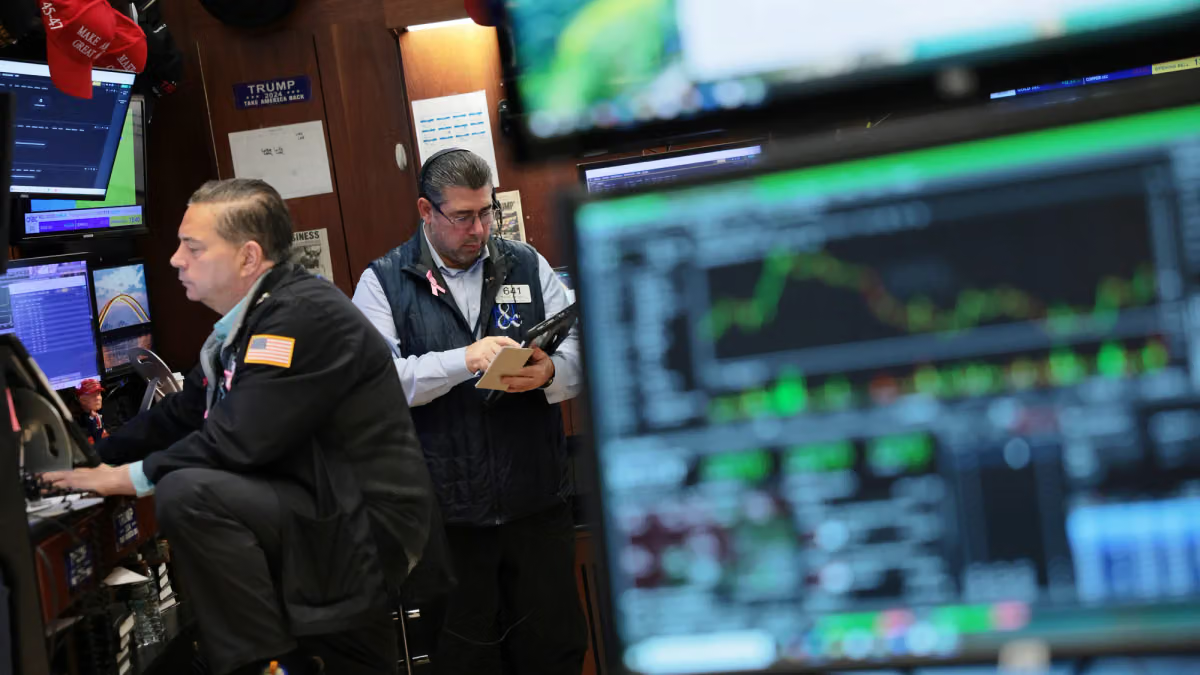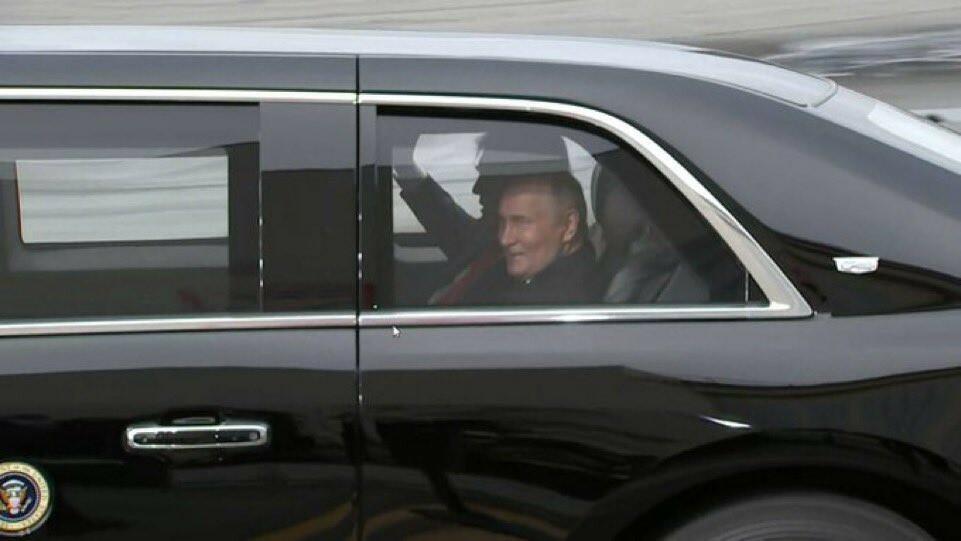
Federal Reserve Chairman Kevin Warsh held a news conference following the central bank's decision to lift rates by 25 basis points, sending fresh signals to currency and interest-rate traders.
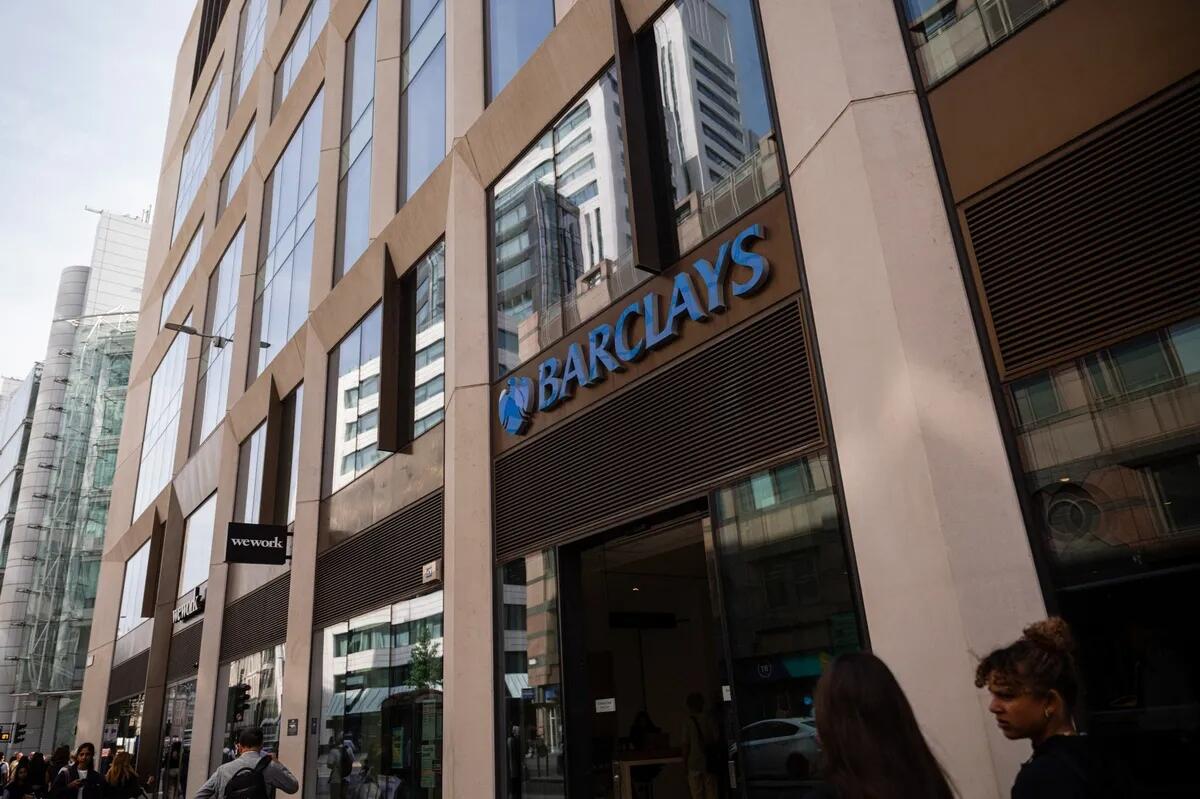
The Federal Reserve unanimously raised its benchmark rate to 3.75%–4%, marking the first increase in over three years, as Chair Kevin Warsh cited prolonged inflation above the 2% target. The move triggered immediate repricing of prime lending rates across major US banks and set the stage for further hikes later this year.
Federal Reserve Chair Kevin Warsh's firm stance on inflation steadied Treasury prices and lifted the dollar following the central bank's first rate increase since 2023, while crude oil continued its slide.
Asian stock markets found tentative footing following a four-day losing streak, with investors adopting a wait-and-see stance ahead of the Federal Reserve's anticipated rate increase—the first since 2023—while softer crude prices bolstered regional bond markets.
Japan's benchmark Nikkei Stock Average posted a modest 0.2% decline as weakness in chip-related equities outweighed strength in energy and trading-house names.
The Taiwan Stock Exchange dropped 1.56 percent on Thursday, extending a two-day decline of over 600 points, as semiconductor shares fell under pressure amid growing U.S. trade-policy concerns targeting China's chip sector.
A hotter-than-anticipated US inflation print has nudged gold lower, reinforcing market expectations that the Federal Reserve will deliver a rate increase at its upcoming meeting this week.
Ripple stablecoin head Jack McDonald outlined a $13 trillion opportunity in corporate treasuries for RLUSD, while the firm prepares to launch under Europe's MiCA framework, a move with direct implications for the FX and payments landscape.
Stock indexes closed lower on Tuesday as a sharp jump in crude oil prices and surging global bond yields weighed on sentiment. Crypto-linked and airline stocks led the losses, while semiconductors and energy producers provided partial support.
U.S. equity indices closed lower on Monday as leaders of major AI firms urged a pace of development that rattled semiconductor names, while software and cybersecurity stocks benefited from the perceived reduced disruption risk. Oil-driven inflation fears and a 92% market-implied probability of a Fed rate hike added further pressure.
The FOMC meets on September 16 to set policy, yet the very PCE data underpinning the hawkish case will be revised by the BEA on September 30. For forex traders, the sequencing creates a rare window where waiting a single meeting may prove more defensible than acting on numbers the government itself is about to update.
Saudi Arabia has halted operations on its critical East-West crude pipeline after drone strikes traced to Iraq, pushing oil prices above $100 a barrel and intensifying pressure on the US dollar and Gulf currencies amid a widening regional conflict.
The CFTC has asked a federal court to throw out CME Group's lawsuit, arguing the exchange cannot demonstrate any actual financial harm and that any registered venue is free to list perpetual futures on digital assets.
Crude rose in early Asian trading after reports of no progress in U.S. and Iran talks aimed at reopening the Strait of Hormuz, a crucial oil shipping lane.
UK betting exchange Smarkets is simultaneously seeking a CFTC license and state sportsbook permits in the U.S., citing legal uncertainty over federal preemption and the growing role of sports contracts in its trading volume.
Federal Reserve Chairman Kevin Warsh held a news conference following the central bank's decision to lift rates by 25 basis points, sending fresh signals to currency and interest-rate traders.
The Federal Reserve unanimously raised its benchmark rate to 3.75%–4%, marking the first increase in over three years, as Chair Kevin Warsh cited prolonged inflation above the 2% target. The move triggered immediate repricing of prime lending rates across major US banks and set the stage for further hikes later this year.
Federal Reserve Chair Kevin Warsh's firm stance on inflation steadied Treasury prices and lifted the dollar following the central bank's first rate increase since 2023, while crude oil continued its slide.
Ethereum has maintained its position above the $2,400 level as newly released Producer Price Index data reinforced expectations of further monetary tightening, adding pressure on risk assets.
Federal authorities partnered with CrowdStrike to dismantle the Sality botnet, a malware operation that used clipboard-hijacking tools to siphon over $150,000 in cryptocurrency from victims worldwide since 2003.
Digital dollar advocates believe blockchain payment rails could render SWIFT obsolete, while banking executives counter that the 11,500-institution network is positioned to absorb the technology rather than be displaced.
Asian stock markets found tentative footing following a four-day losing streak, with investors adopting a wait-and-see stance ahead of the Federal Reserve's anticipated rate increase—the first since 2023—while softer crude prices bolstered regional bond markets.
Japan's benchmark Nikkei Stock Average posted a modest 0.2% decline as weakness in chip-related equities outweighed strength in energy and trading-house names.
Stock indexes closed lower on Tuesday as a sharp jump in crude oil prices and surging global bond yields weighed on sentiment. Crypto-linked and airline stocks led the losses, while semiconductors and energy producers provided partial support.
The Taiwan Stock Exchange dropped 1.56 percent on Thursday, extending a two-day decline of over 600 points, as semiconductor shares fell under pressure amid growing U.S. trade-policy concerns targeting China's chip sector.
Market Highlights
Indicative FX reference rates against the US dollar. · Updated 17 Sept, 00:02 UTC