
Modest Gains in Tokyo
Japan's Nikkei Stock Average ticked up by 0.3% in what appeared to be a session driven less by fresh fundamental catalysts and more by routine portfolio realignment. The modest advance suggested that traders were using the lull before a high-impact U.S. data release to fine-tune their exposure rather than to take aggressive new positions.
For forex participants, the tone of the session in Tokyo often sets the early narrative for the broader risk-asset complex. A small, orderly rise in the Nikkei typically signals that yen-denominated risk appetite is stable but cautious, with dealers and institutional desks leaning toward consolidation until clearer directional cues emerge from the Atlantic side.
Tactical Position Adjustments
The primary driver behind the Nikkei's fractional gain, as noted by market observers, was the expected round of position adjustments. In practice, this means that hedge funds, proprietary trading desks, and asset managers were trimming or adding marginal allocations in equities and related currency hedges ahead of a binary event.
From a forex perspective, such pre-data realignment often shows up in the yen cross. Traders who had built directional bets into the yen against the dollar or euro may have partially unwound those positions to reduce gap risk, while others may have nudged their hedging ratios to better reflect the range of possible outcomes once the inflation numbers land. The net effect is usually a quieter, more compressed trading tape in the hours before the release.
U.S. CPI and the Federal Reserve's Rate Trajectory
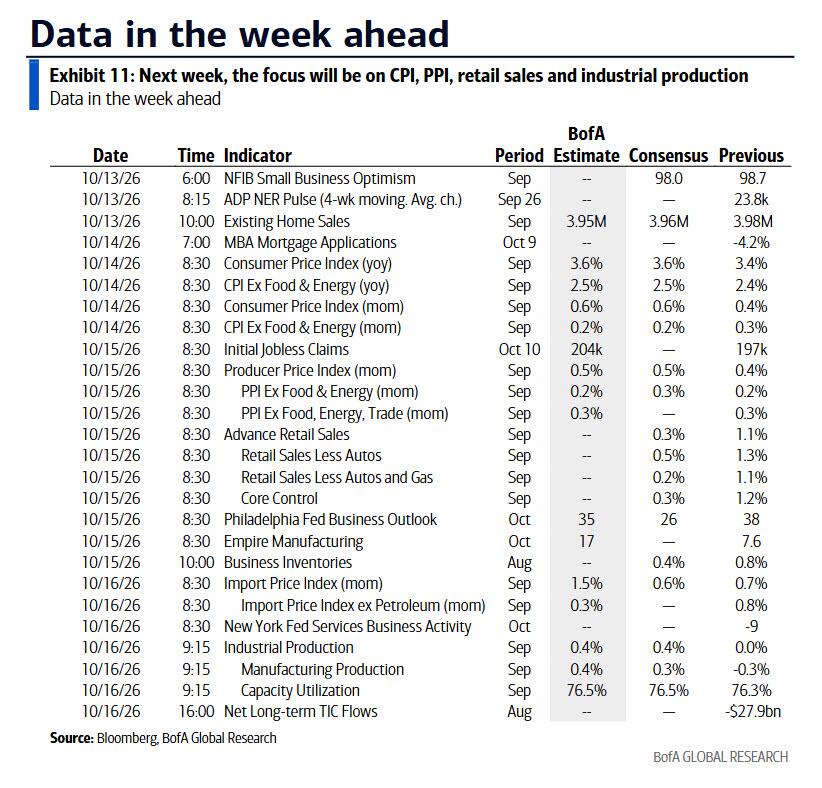
The catalyst all eyes were waiting on was the U.S. Consumer Price Index report, scheduled for release later in the day. CPI remains one of the single most closely watched indicators in global markets because it offers the most direct near-term read on the inflation trend that the Federal Reserve cites when setting its interest-rate path.
For currency traders, the stakes are straightforward: a CPI print that comes in above consensus would reinforce expectations that the Fed's rate-increase cycle still has room to run, typically firming the dollar against a basket of major currencies. A softer-than-expected reading, by contrast, could shave off part of the hawkish pricing already embedded in the Fed funds futures market, easing some of the dollar's tailwind and potentially lending support to the yen and other carry-trade currencies.
Until that data hit the wires, the prevailing mood on the Tokyo floor was one of measured patience. The 0.3% advance in the Nikkei was best read as a holding pattern — a brief, orderly pause before the next leg of volatility that the U.S. inflation release would almost certainly deliver.