
Oil Gains Amid Stalled U.S.-Iran Talks
In early Asian trading sessions, benchmark crude prices edged higher as market participants reacted to reports that diplomatic efforts between the United States and Iran to reopen the Strait of Hormuz had stalled. The lack of progress on the negotiations has renewed concerns about potential disruptions to one of the world’s most critical oil transit routes.
Market Reaction
West Texas Intermediate (WTI) and Brent crude both saw modest gains, with WTI climbing to around $71 per barrel and Brent to roughly $75. The uptick reflected traders’ anticipation that any delay in securing safe passage through the Hormuz corridor could tighten supply expectations and support higher prices.
Strategic Importance of the Strait
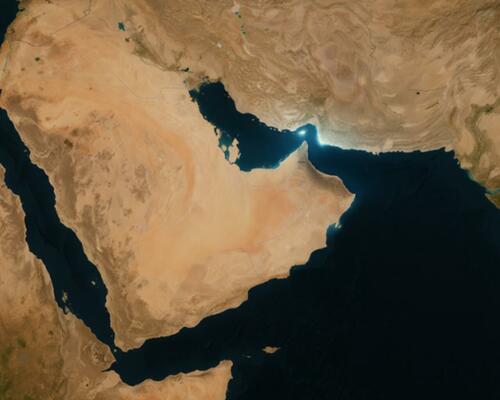
The Strait of Hormuz, a narrow waterway between Iran and the United Arab Emirates, is responsible for a significant portion of global oil shipments. A closure or restriction in this area would have immediate effects on oil availability and could trigger further price volatility.
Diplomatic Context
The United States and Iran have been engaged in a series of talks aimed at restoring the Strait’s operation after a series of geopolitical tensions and sanctions have previously limited shipping. The latest reports indicate that no substantive breakthrough has been achieved, leaving the market uncertain about the timeline for a resolution.
Implications for Global Markets
While the immediate price increase was modest, the continued lack of progress in diplomatic negotiations could lead to sustained upward pressure on oil prices. Analysts suggest that if the Strait remains closed or under restrictive conditions, the supply chain could be strained, prompting a reevaluation of risk premiums among energy traders.
Outlook
Market watchers will continue to monitor the diplomatic corridor for any signs of progress. A breakthrough could bring prices back to a more neutral stance, whereas prolonged stalemate may sustain the current bullish trend on oil.
Conclusion
The early rise in oil prices underscores how geopolitical developments, particularly in strategic chokepoints like the Strait of Hormuz, continue to shape commodity markets. Traders and investors remain vigilant as the U.S. and Iran navigate the complexities of reopening this vital maritime route.