
The Rebound in US Treasuries
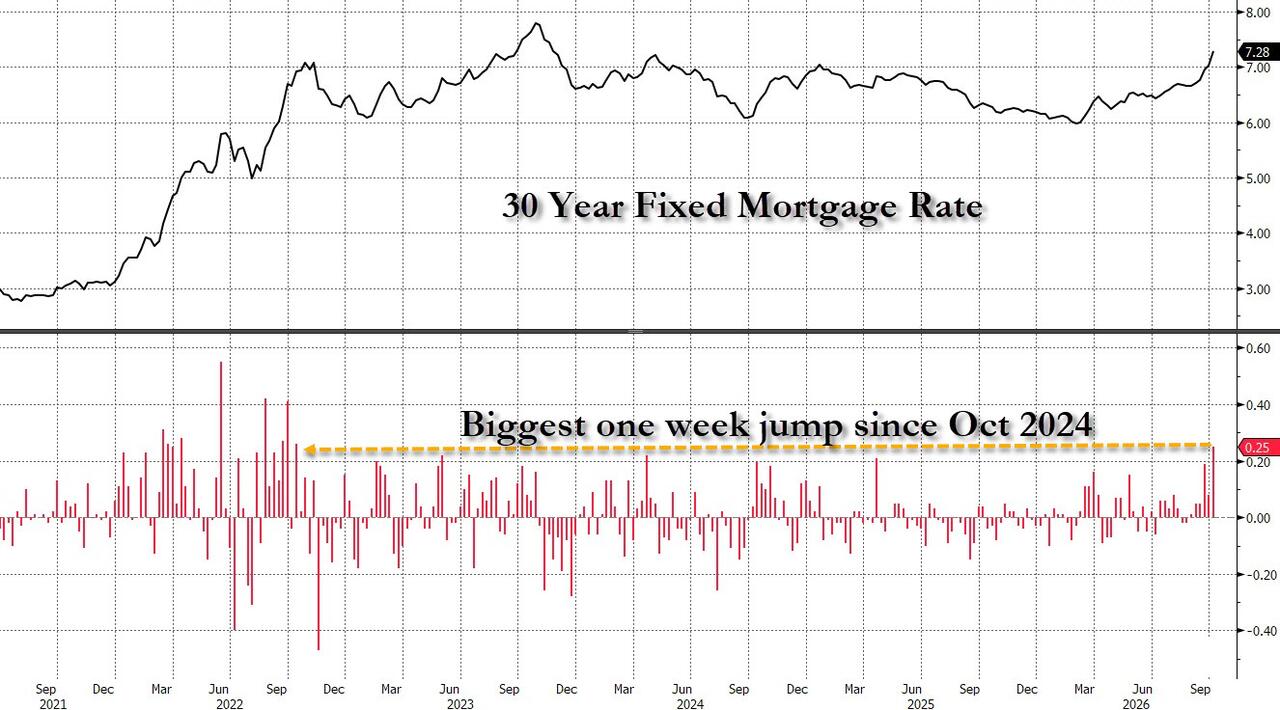
US Treasury securities staged a meaningful recovery after being caught in the crossfire of a broader global bond selloff. According to reporting by Bloomberg Markets correspondent Ruth Carson, the 10-year Treasury yield, which had climbed to its highest level in 24 years, was pulled back as investors scrambled to reposition their portfolios. The move underscored how quickly sentiment can shift in fixed-income markets when one region's stress spills over into another.
For forex traders, the trajectory of the 10-year yield is a critical input. When yields spike to multi-decade highs, the dollar typically strengthens on the back of higher carry and capital inflows. The subsequent pullback from that peak, even if modest, can trigger a short-lived repricing of USD pairs as the rate-differential argument softens.
European Pressure and Haven Flows
The immediate catalyst for the Treasury rebound was elevated pressure in European bond markets. As European fixed-income assets came under sustained selling, a significant portion of global investors rotated out of riskier sovereign and corporate credits and into US government paper. This classic flight-to-safety dynamic meant that the very turmoil that had initially driven yields higher worldwide was, paradoxically, the force that pulled them back down once European stress intensified.
The interplay matters for the euro. Persistent selling in European bonds can weigh on the EUR by raising the cost of funding for banks and corporates across the continent and by signaling that European growth and fiscal risks are being repriced. A weaker EUR against the USD is a natural by-product of the haven flows that lifted Treasuries.
Implications for the Forex Market
From a trading-desk perspective, the episode highlights a recurring theme: bond-market stress and currency moves are tightly coupled, and the direction of the flow depends on which leg of the pair is the source of the disturbance. In this instance, the disturbance was European, so the safe-haven beneficiary was the US dollar, even as the underlying driver (higher global yields) had been building dollar strength in the first place.
Traders who only watch spot FX and ignore the sovereign-bond complex may find themselves slow to react. The 10-year yield sitting at the edge of a 24-year range means that even small shifts in European credit spreads or auction results can send yields — and by extension the dollar — moving several pips in a matter of minutes.
Ruth Carson's reporting on Bloomberg Markets captured a snapshot of exactly this kind of cross-asset tension. For forex participants, the takeaway is that the bond rout is not yet a settled matter, and until European market pressure eases, the haven-bid for Treasuries — and the resulting USD bid — is likely to remain a dominant force shaping currency flows.