
Fixed Income Strength Across Asia
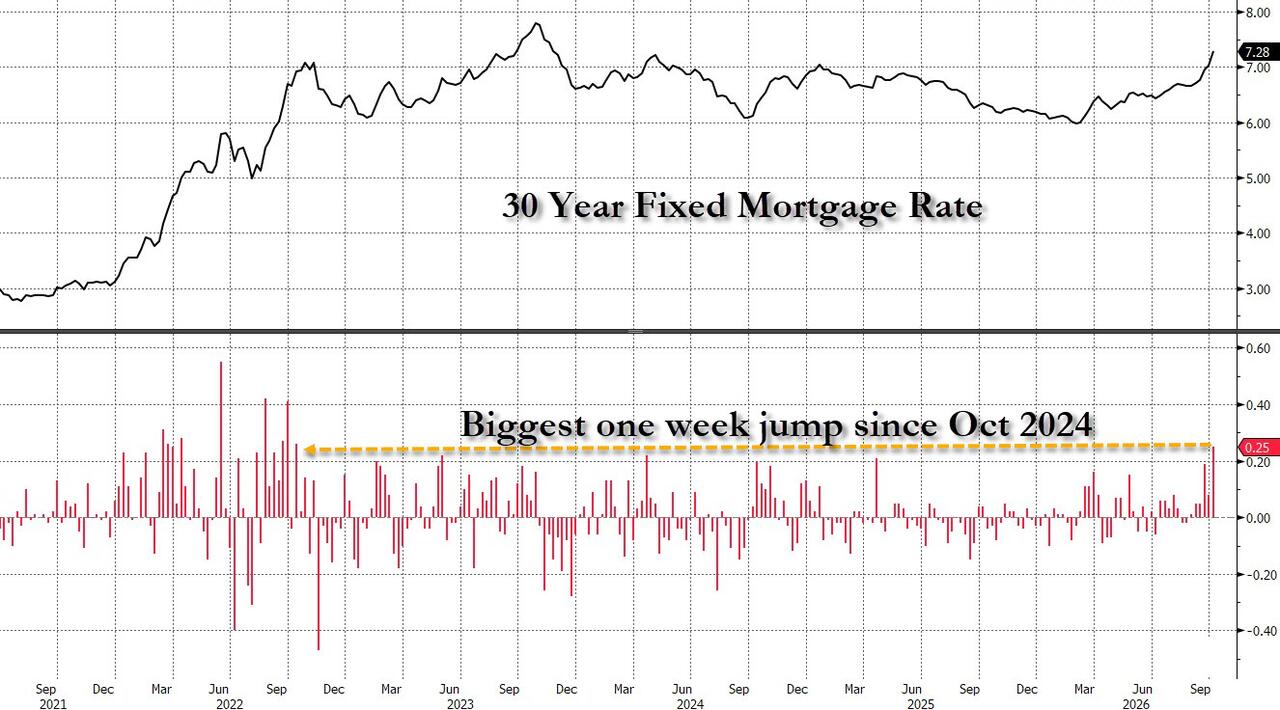
Asian bond markets posted gains in the latest session, tracking a broader rally in U.S. Treasuries that pushed government yields back down from levels not seen in multiple decades. The sustained price appreciation in Treasuries offered a welcome relief for fixed-income investors who had been rattled by the prolonged climb in yields over recent months. The move underscored that demand for safe-haven duration remains a powerful force capable of reversing multi-year trends in the rates complex.
Traders Discount the Oil Inflation Signal
Despite a notable uptick in crude oil prices during the trading window, market participants appeared to downplay the potential inflationary consequences. Rather than pricing in a renewed wave of commodity-driven inflation that could force central banks to tighten further, traders focused on the momentum in the Treasury buy. The result was a yield retreat that dominated the narrative across both developed and emerging Asian fixed-income markets, with the crude rally treated as a secondary, manageable factor.
Regional Equities Edge Lower
On the equity side, the tone was more cautious. Stock markets across the region logged modest declines, suggesting that the risk-appetite boost from the bond rally was insufficient to lift sentiment higher. The divergence between fixed income and equity performance pointed to a market still calibrating its stance on growth versus inflation risks, with investors unwilling to commit fully to a risk-on rotation.
What It Means for Currency Traders
For forex participants, the interplay of these moves carries several practical implications. A sustained Treasury rally that tames long-end yield expectations typically erodes the dollar's carry advantage, potentially applying pressure on USD pairs against major Asian currencies. At the same time, the softness in regional equities could temper risk-on flows into higher-yielding Asian FX, keeping those pairs in a range-bound environment rather than triggering a decisive breakout. The fact that traders are choosing to ignore the oil-driven inflation signal suggests that, for now, the bond-led narrative is the dominant driver of cross-asset positioning, and currency strategies should be calibrated accordingly until a clear shift in the inflation outlook emerges.