
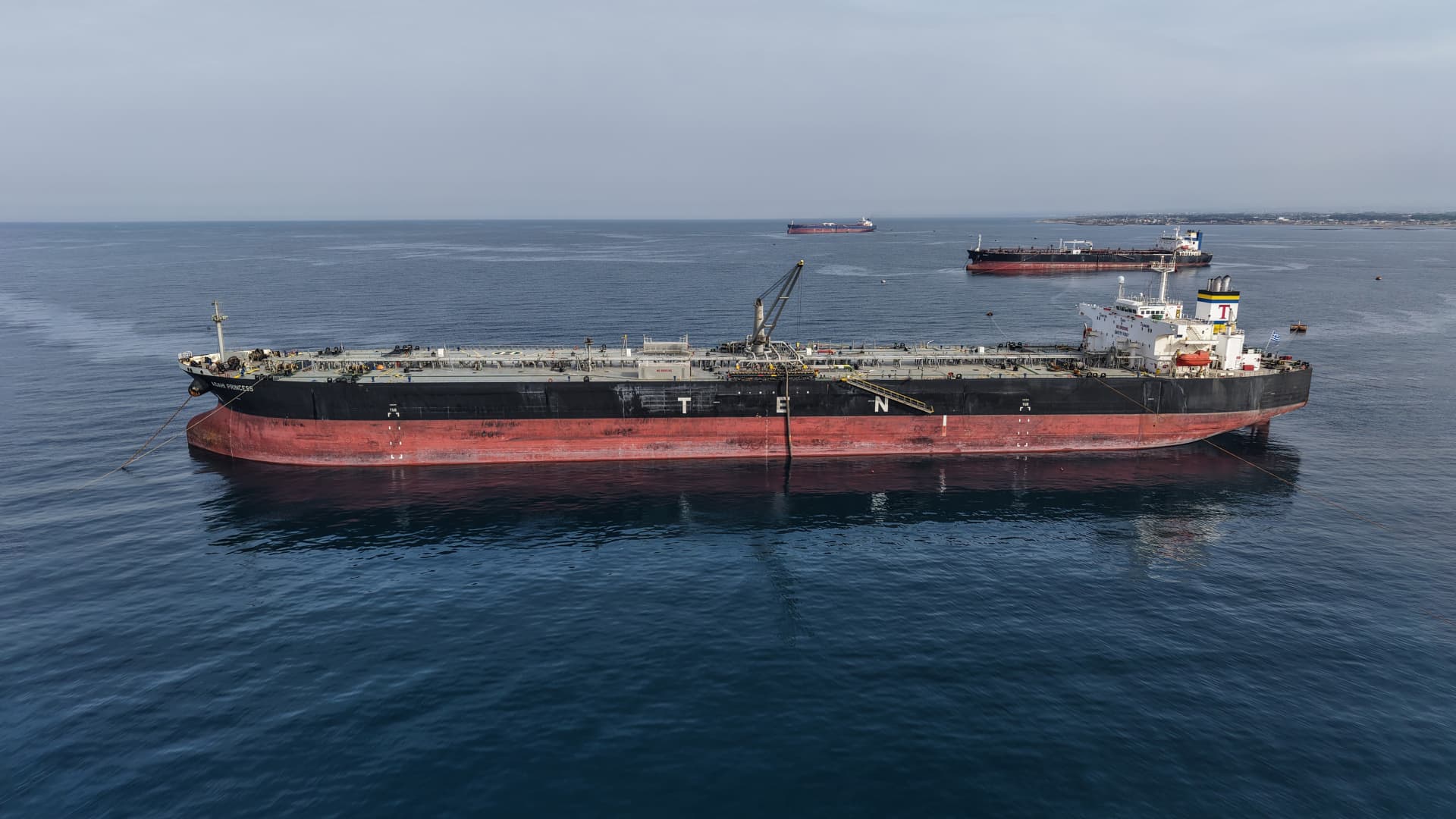
Oil Rebounds as Washington Shuts the Door on a Hormuz Deal
Crude oil benchmarks posted gains of over one percent during the opening hours of Monday's Asian session. The move came after U.S. President Donald Trump publicly dismissed a peace initiative put forward by Iran that would have ended the ongoing Middle East confrontation and restored commercial traffic through the Strait of Hormuz.
U.S. West Texas Intermediate futures for November delivery traded up 1.3 percent at $93.62 per barrel, while the global benchmark Brent crude climbed 1.8 percent to $106.31 per barrel. For forex market participants, the oil rally acts as a leading indicator of heightened geopolitical risk, typically strengthening the U.S. dollar and weighing on currencies of energy-importing economies such as the Japanese yen, the British pound, and the Indian rupee.
According to a Saturday report by The Wall Street Journal, citing unnamed U.S. officials, Trump not only rejected the Iranian conditional offer but also indicated to senior aides that he anticipates resuming military strikes on Tehran following the November midterm elections. The president confirmed the rejection to reporters without elaboration, stating simply: "They made a proposal but I rejected it."
Tehran's Seven-Day Offer and Its Preconditions
The initiative originated from Iranian Foreign Minister Abbas Araghchi, who on Friday put forward a time-bound proposal. Speaking to journalists at the margins of the United Nations General Assembly in New York, Araghchi said that if specific preconditions were satisfied, the Strait of Hormuz would be fully operational within seven days and nuclear negotiations with Washington would be re-launched.
Iranian Foreign Ministry spokesperson Esmaeil Baghaei detailed those preconditions, which include an end to what Tehran characterizes as American "acts of aggression," the removal of the naval blockade and what it describes as economic warfare, and the unfreezing of Iranian sovereign assets held abroad. Until those terms are met, the shipping chokepoint that carries roughly a fifth of global oil trade remains effectively restricted.
Adding to the regional tension, Yemen's Saudi-led coalition announced on Saturday that it had shot down projectiles fired by Iran-aligned Houthi rebels, underscoring that the conflict's spillover effects continue to affect multiple fronts in the Gulf and Red Sea corridors.
Timeline Context and the Midterm-Election Pivot
Trump had told reporters earlier this month that the confrontation – which escalated when U.S. and Israeli forces carried out airstrikes on Iranian targets on February 28 – was expected to wind down in the period immediately following the November congressional elections. He also projected that oil prices would retreat once hostilities ceased, a scenario that would have eased inflationary pressures and potentially altered the trajectory of central-bank rate expectations.
For now, the rejection of the Hormuz proposal has pushed that resolution timeline into uncertainty. Traders watching the forex market should note that a prolonged closure or intermittent disruption of the strait keeps a structural risk premium embedded in energy-linked currencies and in the dollar's safe-haven bid, complicating risk-on/risk-off positioning across major G10 pairs.