
Oil Gains Amid Strait of Hormuz Uncertainty
Oil prices extended gains on Thursday, reflecting continued uncertainty over the reopening of the Strait of Hormuz. The narrow waterway, through which a significant portion of the world’s oil supply passes, remains a flashpoint for regional tensions. Negotiations between Iran and Oman have yet to reach a consensus, leaving traders wary of a potential supply disruption.
Houthi Attack Claim and Regional Security
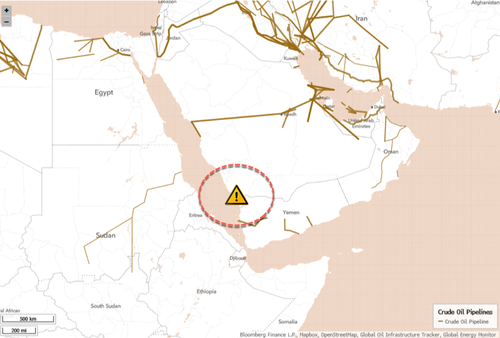
Adding to the volatility, Houthi militants claimed responsibility for an attack on a Saudi refinery located near the Red Sea. While details of the strike are still emerging, the incident underscores the broader security challenges facing oil infrastructure in the region. The claim has prompted concerns that similar attacks could disrupt refining capacity and further tighten global oil markets.
Implications for Forex Markets
For forex traders, these developments translate into heightened risk premiums across commodity‑linked currencies. Oil‑dependent economies such as Canada, Nigeria, and Brazil may see their currencies weaken as commodity prices climb. Conversely, safe‑haven currencies like the US dollar and the Swiss franc could strengthen if investors seek refuge from geopolitical uncertainty.
Risk Assessment for Traders
Risk‑averse traders are advised to monitor the Strait of Hormuz closely and keep an eye on any new diplomatic breakthroughs between Iran and Oman. Additionally, the ongoing conflict in the Red Sea region warrants vigilance, as any escalation could trigger further price spikes and currency volatility. Hedging strategies, such as options on oil futures or currency spreads, may help mitigate exposure during this period of heightened uncertainty.
Overall, the combination of stalled diplomatic talks and the recent Houthi attack claim has reinforced the perception that geopolitical risks remain a significant driver of oil price movements and, by extension, currency fluctuations in the global forex market.