
Crude Oil Retreats Amid Geopolitical Reassessment
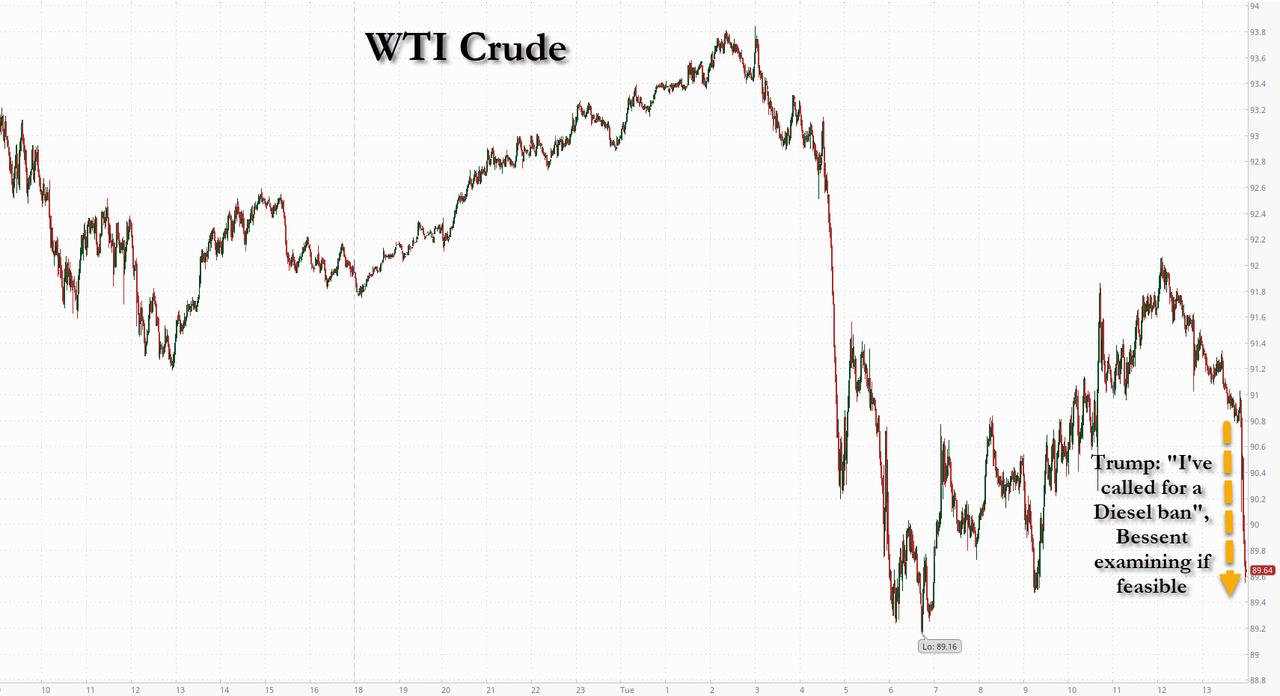
West Texas Intermediate (WTI) crude oil futures experienced a notable session of weakness, with prices sliding to the neighborhood of $89.00 per barrel. The move reflected a broader risk-off posture among energy traders as markets worked through the implications of President Donald Trump's speech at the United Nations General Assembly.
The pullback in WTI came as investors and speculators weighed the tone and content of the address, looking for signals that could alter trade flows, sanctions policy, or the geopolitical risk premium typically baked into oil prices. In sessions where leadership rhetoric shifts the perceived trajectory of international relations, energy markets tend to react quickly, and this session was no exception.
Market Reaction to the UN Address
Traders focused on whether the speech contained any new commitments regarding trade restrictions, energy policy, or diplomatic posture toward key oil-producing nations. Any indication of heightened tensions, new tariff threats, or shifts in sanctions frameworks can ripple through the oil market within minutes, as the risk premium embedded in futures contracts is repriced accordingly.
The fact that WTI found support near the $89 level rather than breaking decisively below it suggests that, while the address introduced a degree of uncertainty, it did not deliver the kind of outright bearish shock that would push prices toward the mid-$80s or lower. Conversely, the absence of a bullish catalyst in the remarks meant that the broader, already-present downward pressure on crude was allowed to play out without being offset.
Broader Context for Energy Prices
The move to the $89 area places WTI within a range that has been a recurring battleground for bulls and bears in recent months. At that level, the market is pricing in a mix of OPEC+ production discipline, demand forecasts from major consuming economies, and the geopolitical overlay that has characterized the oil trade through the year.
For forex cross traders and commodity investors, the interplay between crude oil and major currency pairs—particularly the U.S. dollar—remains a key consideration. A softer oil print can ease inflation expectations and, in turn, influence the trajectory of the dollar and equity sentiment in the hours and days following a high-profile political event.
What to Watch Next
With the UN speech now in the market's rearview mirror, attention shifts to whether follow-through commentary, policy announcements, or diplomatic developments in the coming days will reinforce the bearish tilt in crude or provide a basis for a recovery. Traders will be monitoring official reactions from OPEC+ members, U.S. energy officials, and the broader geopolitical landscape to gauge whether the $89 level holds as a floor or serves as a starting point for further downside.
In the absence of a fresh catalyst, WTI is likely to trade in a narrow range in the near term, with the $89 mark acting as a reference point until the next significant macroeconomic or geopolitical event forces a repricing.