
Two-Month Extension Keeps Tariffs and Rare-Earth Flows in Place
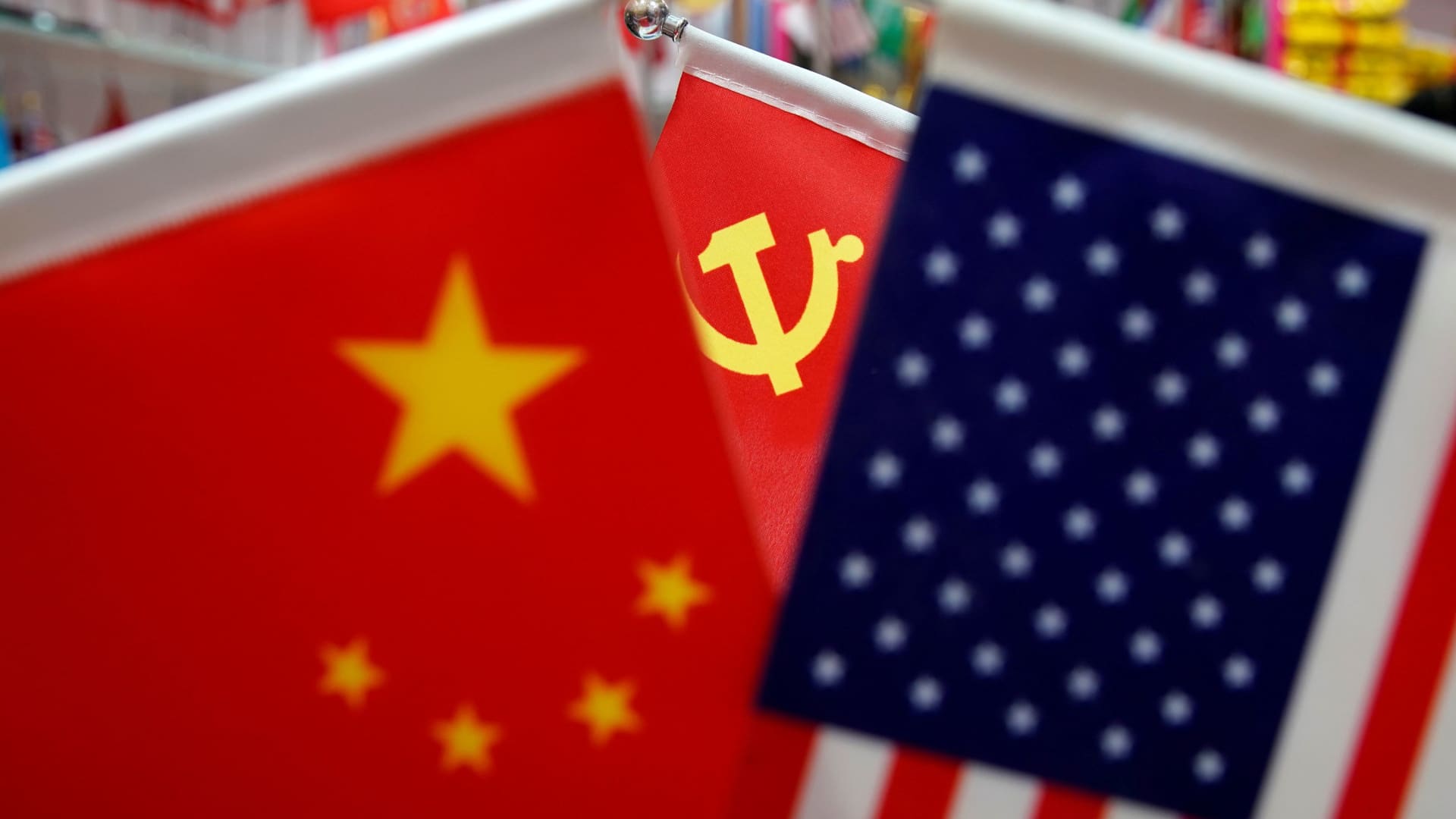
The United States and China have agreed to extend their trade truce by an additional two months, U.S. Treasury Secretary Scott Bessent confirmed Wednesday (local time). The move keeps the lower tariff regime and the continued flow of critical rare-earth minerals intact past the original November expiry.
Bessent made the announcement during an appearance on Fox News, hours after Chinese President Xi Jinping touched down in Washington, D.C., to begin a state visit that runs through Friday. The two-month extension pushes the deadline to January 10, according to Bessent, who also stressed that Beijing still has outstanding deliverables it must complete under the agreement.
Expectations of a Longer Extension Go Unmet
The original one-year truce was struck when Xi and President Donald Trump met in South Korea last October. Observers and market participants had widely anticipated a six-month extension, or possibly even longer, when the two leaders sat down for this week's summit. The two-month window announced by Bessent falls short of those expectations.
Chinese state media did not immediately acknowledge Bessent's remarks about the truce extension. Footage broadcast on China's state television captured Trump and First Lady Melania Trump greeting Xi and First Lady Peng Liyuan at the foot of the Chinese leader's aircraft. Notably, the clip did not include a handshake between the two heads of state; instead, it centered on Xi and Peng shaking hands with two children who presented the couples with flower bouquets.
AI Incident Alert System Tops Pre-Summit Talks
Ahead of Xi's arrival, Bessent held a working session with Chinese Vice Premier He Lifeng in New York. The two officials discussed, among other topics, the creation of a joint alert system designed to flag and manage incidents involving artificial intelligence, Bessent said. The conversation signals growing interest in both capitals to build institutional guardrails around a technology that is rapidly reshaping global commerce and national security calculus.
The truce extension, while shorter than many had hoped, provides a narrow window for continued negotiations. With the January 10 deadline now set, both sides will need to make meaningful progress on remaining commitments—and on the broader set of economic and technological issues on the bilateral agenda—if they are to avoid a return to the tariff escalation that preceded last October's deal.