
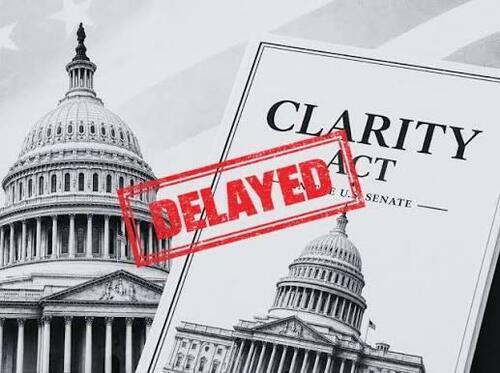
Understanding Geopolitical Drivers
Currency values are not solely driven by supply and demand for goods. Political decisions, diplomatic relations, and security concerns create expectations that influence how investors perceive risk and return. A trader who can identify the underlying political forces and translate them into market expectations will have a distinct advantage.
Key Geopolitical Factors That Move Currencies
- Governmental Policy Changes – Elections, legislative reforms, and fiscal stimulus programs alter expectations about inflation, interest rates, and economic growth. A currency may strengthen when a government signals a path toward tighter monetary policy or fiscal consolidation.
- Trade Agreements and Tariffs – The negotiation or withdrawal from trade pacts affects cross‑border capital flows and commodity prices. A country that secures a favorable trade deal often experiences a rally in its currency.
- Regulatory Environment – Changes in banking supervision, capital controls, or financial market transparency can either attract or deter foreign investment, moving the currency accordingly.
- Geostrategic Tensions – Conflicts, sanctions, or diplomatic disputes raise uncertainty. Safe‑haven currencies tend to appreciate as risk‑averse investors seek stability.
- Energy and Commodity Dynamics – Nations whose economies depend heavily on commodity exports are sensitive to geopolitical events that affect supply chains or production levels.
Building a Systematic Assessment Framework
- Identify the Event – Classify the event as political, economic, or security‑related. Determine its scope: national, regional, or global.
- Map the Channel of Impact – Decide how the event is likely to influence macro variables such as interest rates, inflation, or trade balances. For example, a new tariff might reduce imports, improving a country’s trade surplus.
- Assess Market Sentiment – Use sentiment indicators, such as the COT report, to gauge whether traders are already pricing in the event or if it is still perceived as a surprise.
- Estimate the Magnitude – Compare the event to historical analogues. Quantify potential shifts in key economic data or policy expectations.
- Translate to Currency Moves – Convert the expected macro change into a forecast for the currency pair. This involves understanding the relative positioning of the two currencies and their respective policy environments.
- Validate with Technical and Fundamental Filters – Confirm that the forecast aligns with trend lines, support/resistance levels, and fundamental fundamentals such as GDP growth and inflation.
Practical Application in Trading
- Scenario Planning – Create multiple scenarios (best case, worst case, most likely) for how the geopolitical event could unfold. Assign probabilities based on historical frequency.
- Risk Management – Size positions so that a single geopolitical shock does not exceed a predefined risk threshold. Use stop‑loss orders that account for potential volatility spikes.
- Diversification – Pair currency trades with other asset classes that are less sensitive to the same geopolitical factor to reduce correlation.
- Continuous Monitoring – Establish a watchlist of geopolitical triggers. Update the assessment framework whenever new information emerges, ensuring that the trading strategy remains aligned with the evolving political landscape.
By treating geopolitical events as structured inputs rather than unpredictable shocks, traders can maintain disciplined decision‑making and achieve more consistent performance in currency markets.