
Landmark Venezuelan Oil Agreement Announced
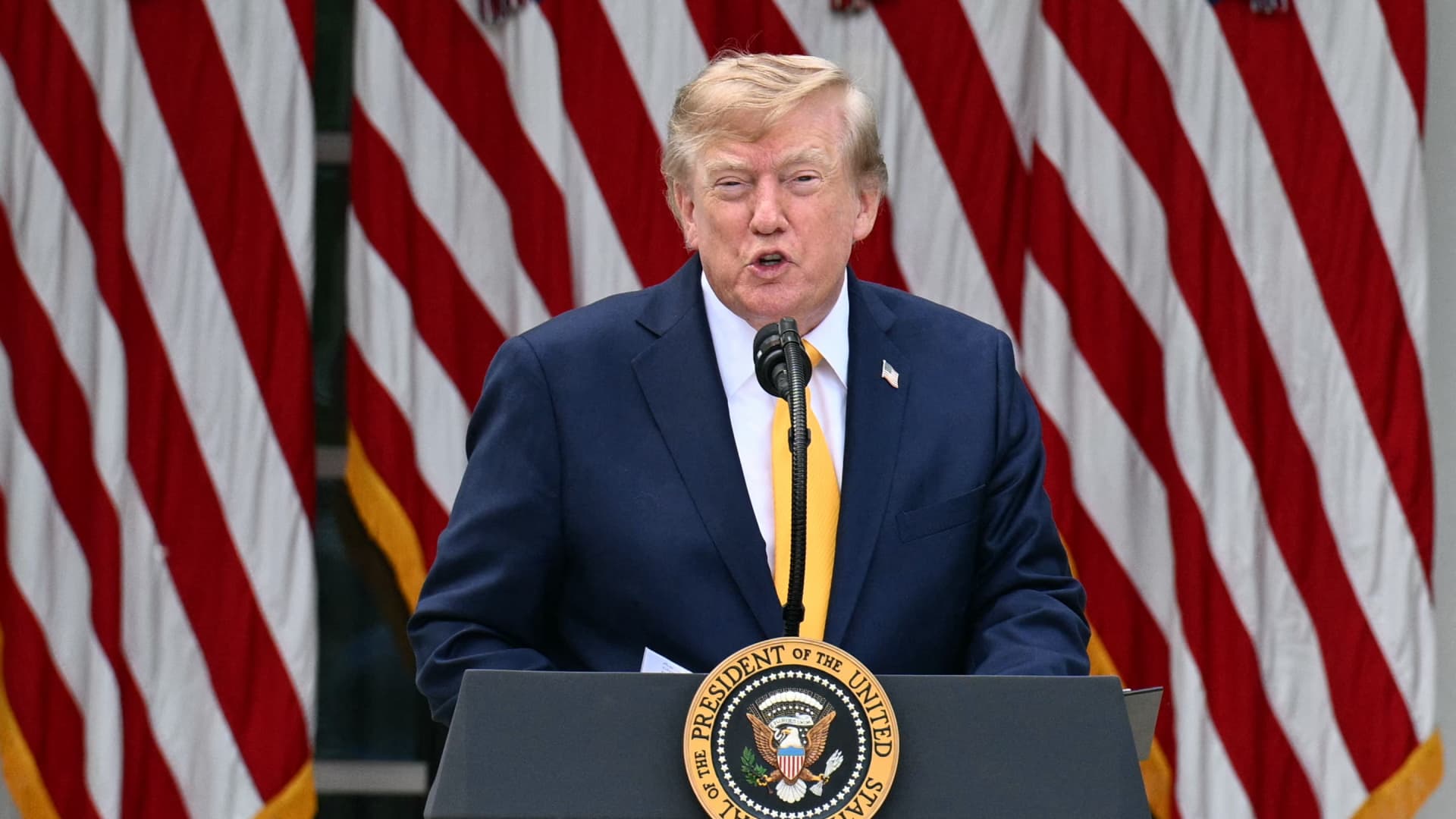
President Donald Trump revealed on Friday evening, via a social media post, that the United States has secured a deal giving it majority control of more than 65 billion barrels of Venezuelan oil reserves. The announcement arrived against a backdrop of escalating tensions with Iran that have disrupted global crude flows.
Trump branded the arrangement as "THE BIGGEST OIL DEAL IN WORLD HISTORY" and emphasized that it would carry no financial burden on American taxpayers. He further claimed the pact more than doubles the country's domestic oil reserves, a point underscored by Department of Energy figures published earlier this month showing the Strategic Petroleum Reserve sitting at levels last seen in the 1980s.
In the same post, Trump described how U.S. officials had worked in coordination with Venezuelan government authorities to finalize the terms. He also referenced a "partnership" with unnamed private-sector firms that played a role in closing the deal. "This Transaction will greatly strengthen the already growing relationship between Venezuela and the United States," he wrote, positioning the agreement as a diplomatic milestone.
Aftermath of the January Strike and Political Stakes
The Venezuela deal follows a U.S. military operation carried out in January against the South American nation. During that strike, Venezuelan President Nicolás Maduro and his wife, Cilia Flores, were captured. The agreement now announced appears to represent a post-conflict arrangement between Washington and the Venezuelan state.
The timing of the announcement is politically sensitive. U.S. consumers are feeling the pinch of sharply higher energy prices as the midterm elections approach, contests that will determine whether the Republican Party holds onto its full grip on Washington. Trump explicitly tied the Venezuela deal to the prospect of lower prices at the pump, framing it as a direct response to the cost-of-living pressure his base is experiencing.
Oil and Gas Price Dynamics
According to data from the American Automobile Association, the national average price of a gallon of regular gasoline stood at roughly $4.09 as of Friday, representing a 27 percent jump compared to the same period a year earlier. That spike reflects the broader supply disruption caused by the U.S.-Iran conflict.
On the trading floor, West Texas Intermediate crude logged a 4 percent decline over the week, marking the first weekly loss in the past three sessions. Even so, benchmarks remain more than 24 percent higher than where they stood before the war with Iran erupted, underscoring how much the conflict has reshaped the global oil market.
Strait of Hormuz Transitions and Supply Constraints
A critical factor behind the sustained price pressure is the near-paralysis of shipping through the Strait of Hormuz, one of the world's most vital chokepoints for crude oil transit. The U.S. military engagement with Iran has severely curtailed traffic in the waterway. The International Monetary Fund's PortWatch tracker shows that only a small number of vessels are now transiting the strait on a daily basis, a dramatic drop from the roughly 100 ships per day recorded a year ago. The sharp contraction in throughput has tightened global supply and contributed to the elevated price environment that Trump's Venezuela deal is intended to offset.