
Gold Pressured Near Nine-Week Low
The gold market has come under notable selling pressure, with prices edging closer to a nine-week trough. The move reflects a confluence of macroeconomic headwinds that have shifted trader sentiment away from the precious metal and toward rate-sensitive assets. Rather than acting as a traditional safe haven amid geopolitical stress, gold has found itself caught between competing forces that are ultimately reinforcing the dollar and higher-yielding alternatives.
Strait of Hormuz Tensions Reignite Inflation Worries
Fresh flare-ups of tension in the Strait of Hormuz have rekindled concerns that military escalation could push energy prices higher and, in turn, feed into broader inflation. For forex and precious-metals traders, the key implication is that war-driven commodity inflation complicates the Federal Reserve's disinflation narrative. If energy-linked price pressures re-emerge, the central bank gains a stronger justification to keep monetary policy on a restrictive footing, which in turn strengthens the U.S. dollar and raises the opportunity cost of holding non-yielding assets like gold.
Rate-Hike Prospects Dominate the Macro Backdrop
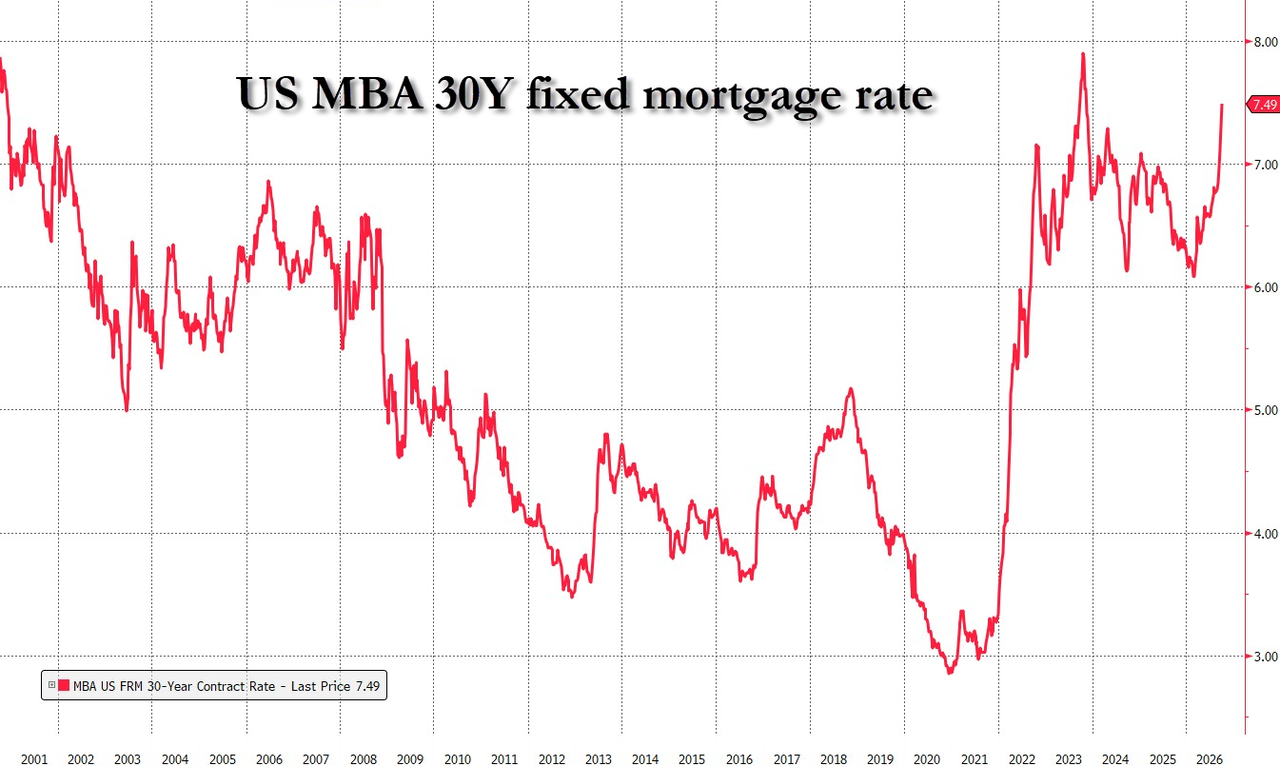
Amid the geopolitical backdrop, market participants have begun to price in the likelihood of at least one additional U.S. interest-rate hike before the calendar year ends. The prospect of a tighter policy stance increases the attractiveness of dollar-denominated bonds and cash equivalents, pulling capital out of the gold market. For forex traders, the interplay between a stronger dollar and a softer gold price underscores the classic inverse correlation that has defined the metal's behavior throughout the current rate cycle.
What It Means for Traders
The current setup poses a particular challenge for those who have been positioning gold as a geopolitical hedge. While Hormuz-related risks remain a valid concern, the dominant market narrative has shifted toward the macroeconomic consequences of sustained inflation and a hawkish Fed. Traders should monitor whether the conflict escalates to the point of disrupting oil supply materially, as that scenario could reverse the trade and revive safe-haven bid. Until then, the combination of a firm dollar and the prospect of further tightening continues to cap upside for the metal.