

Election Uncertainty Gives Way to Rally
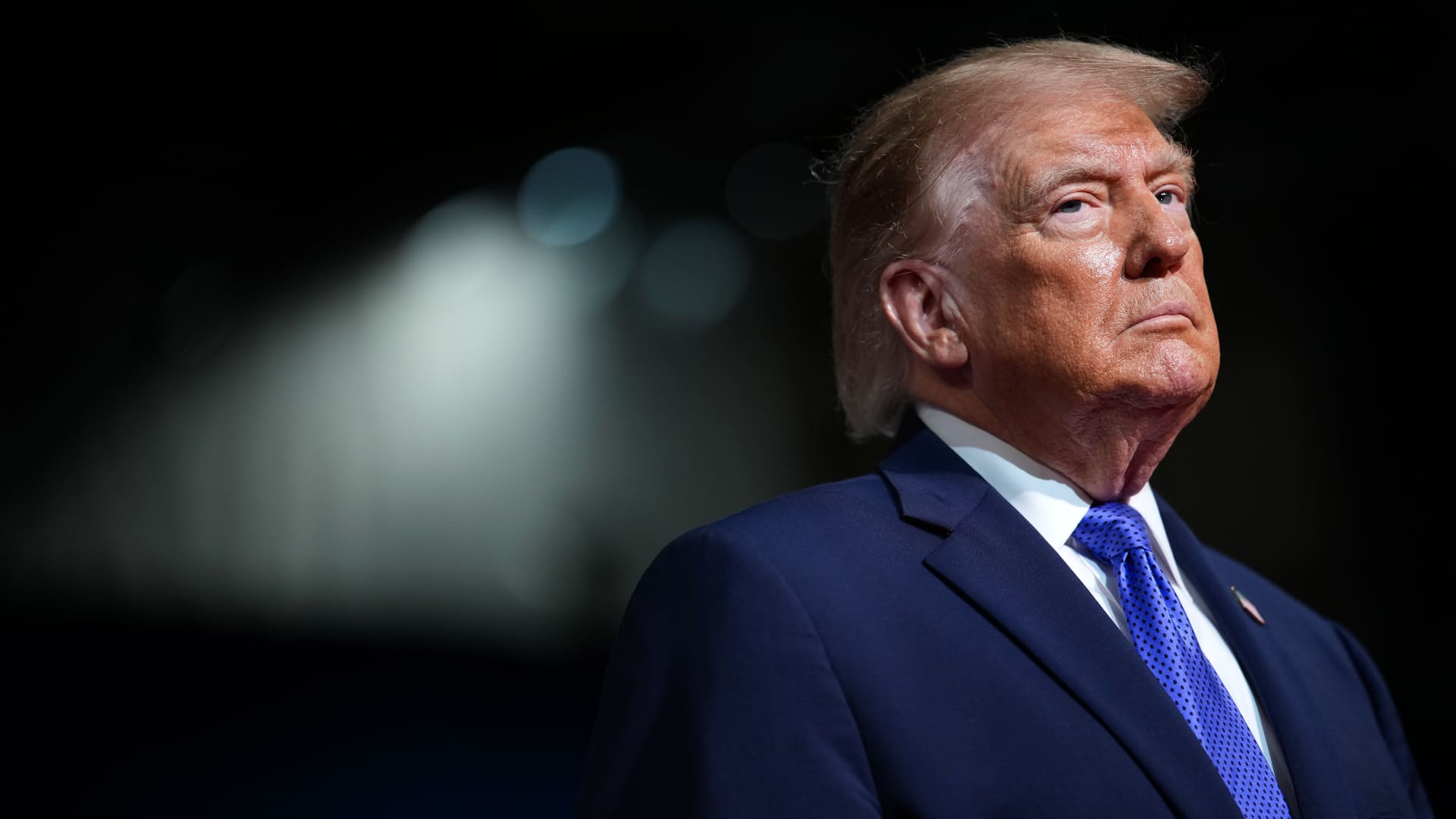
U.S. equities posted a powerful advance on Wednesday, extending a broad-based rebound that had been building since late Tuesday. While the decisive Democratic victory in the 2026 midterm elections set the stage, market participants pointed to a second, equally important catalyst: President Donald Trump's willingness to acknowledge the result and signal a cooperative posture toward the new opposition.
Thomas Hempell, senior economist at Generali Investments, framed the day's move as a relief trade. He noted that the president's public recognition of the Democrats' win, combined with his stated openness to working with the opposition, gave investors reason to believe that a prolonged legal contest over the results — and the deeper partisan gridlock that could follow — was unlikely to materialize. That expectation, in turn, lifted risk assets across the board.
The trigger for the overnight shift was clear. Trump spoke with The New York Times and The Wall Street Journal late Tuesday, telling both outlets that he accepted the tally and was prepared to collaborate with the incoming Democratic majority in Congress. Those interviews landed just as stock-index futures began to climb, and the momentum carried straight into Wednesday's cash session.
How High Were the Pre-Election Fears?
The relief on Wednesday is best understood against the backdrop of mounting anxiety in the run-up to Election Day. A growing number of Wall Street professionals had been bracing for the possibility that the White House might dispute the outcome, echoing a pattern seen in prior cycles. The Department of Justice's lawsuit in Alaska over election procedures fed those worries, raising the prospect of delays that would keep policy uncertainty alive well past the traditional post-election window when markets typically exhale.
CNBC's Fed Survey, which polled 30 fund managers, strategists, and economists, quantified that unease. A 63% majority judged that the prolonged ambiguity surrounding the balance of power, driven by legal challenges to the results, represented at least "some" market risk — a figure that had ticked up from 61% in September. A further 14% rated the threat as "significant," double the 7% who had selected that option in the prior month.
With Trump's acceptance now on the record, that risk premium is being unwound. George Saravelos, head of FX Research at Deutsche Bank, described the development as a brake on the most extreme policy scenarios, expecting it to compress risk premia broadly across asset classes — provided, of course, that the president's stance does not shift again.
Trump Remains the Market's Central Wildcard
Even as the immediate threat receded, several strategists cautioned that the rally should not be read as a one-and-done event. Jay Woods, chief market strategist at Freedom Capital Markets, acknowledged that the overnight rebound was partly a reaction to the president's "initial tone and reaction to the results," but he stressed that the real test is durability.
"I think Trump is going to try to do and say the right thing, but at two in the morning, he may change his mind," Woods told CNBC. "He is an X factor." In other words, a single reassuring interview does not lock in a policy trajectory, and traders should remain alert to the possibility of a reversal in rhetoric.
Woods also flagged persistent macro headwinds that could temper the equity run over the coming weeks. Among them were inflationary pressures linked to elevated energy prices stemming from the ongoing conflict in the Middle East, a factor that could keep the Federal Reserve on a cautious path and weigh on equity valuations regardless of the political environment.
Philip Blancato of Osaic offered a more bullish conditional read. He argued that so long as Trump "continues to play nice" with the new Democratic leadership, the market is well positioned for a "very strong" finish to the calendar year. Historically, equities have a knack for staging post-midterm rallies, and Blancato saw no structural reason that pattern should break this cycle.
What It Means for the S&P 500 and the Year Ahead
One question dominating investor chatter is whether the S&P 500 can push to 8,000 before the year closes. The index had already logged a solid gain during 2026, and some strategists had worried that the elevated starting point would make a repeat of the post-midterm pop harder to achieve. Blancato, however, dismissed that concern as overstated once Trump's cooperative tone was factored in. He suggested the 8,000 milestone is "not totally out of the question," while adding that a "lot predicated on him, but not completely."
The numbers back up the near-term momentum. The broad market index closed Wednesday more than 1% higher, a session gain that placed its closing level roughly 4% below the 8,000 mark.
Still, Woods urged investors to temper expectations. "The president's always going to be a wildcard," he warned. "Let's not let one day make a year. This is an instant reaction to this thing. There's still plenty of things to be hashed out." For stock investors, the message is clear: the political overhang has lifted for now, but the market's ability to sustain gains will hinge on whether the cooperative tone in Washington holds through the legislative battles, budget negotiations, and policy decisions still ahead.