
Pipeline Halted, Oil Breaks $100: Immediate Market Shock
Saudi Arabia has suspended operations on its East-West crude oil pipeline following drone strikes that the kingdom attributes to militants operating out of Iraq. The 745-mile (1,200 km) conduit, which stretches from Abqaiq on the Gulf coast to the Red Sea port of Yanbu, is a lifeline for the world's largest crude exporter, particularly now that the strait of Hormuz has been effectively locked down by the ongoing US-Israeli war against Iran.
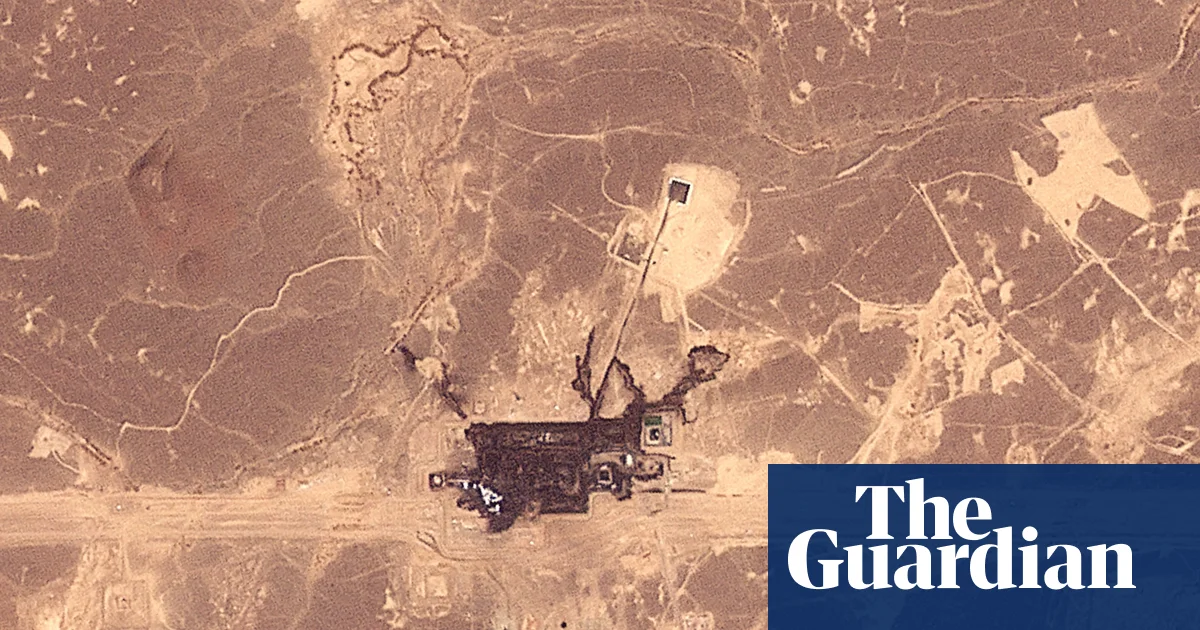
The Saudi foreign ministry issued a statement condemning what it described as the targeting of the pipeline in the Riyadh and Medina regions by multiple drones originating from Iraq, noting that the incidents resulted in human casualties and physical damage. A source within the energy ministry confirmed to the SPA state news agency that the line had been "stopped as a precaution." Satellite imagery from the Copernicus Sentinel programme, captured on Thursday, showed plumes of black smoke rising near Medina along the pipeline's general corridor.
The disruption lands at a particularly sensitive moment for global energy and currency markets. According to the International Energy Agency, Saudi crude shipments through the Red Sea terminus have more than doubled since the war with Iran escalated, making the pipeline the kingdom's primary alternative export route. Oil prices surged past the psychologically significant $100 (£74) per-barrel mark this week, while average US diesel prices crossed $6 per gallon on Friday for the first time in recent memory. For forex traders, the combination of a commodity spike, supply-chain disruption, and deepening geopolitical risk is a配方 that typically amplifies dollar volatility and pressures risk-currency pairs across the Gulf and Asia.
Attribution, Iraqi Response, and Washington's Position
President Donald Trump, speaking to reporters in Dublin during a visit to Ireland, said he believed Tehran was behind the aerial attack. "I think they are, probably they are," he told the press corps. The statement drew a sharp rebuke from Iran's president, Masoud Pezeshkian, who was attending a BRICS developing-nations summit in India. Pezeshkian argued that the Middle East did not need the United States acting as a "regional policeman."
In Baghdad, the Iraqi government confirmed on Saturday that the strikes had been launched from Iraqi soil and ordered a formal investigation. The office of Prime Minister Ali al-Zaidi condemned what it called "the attacks targeting our brethren in the Kingdom of Saudi Arabia" and announced the dismissal of the military commander overseeing the southern province of Maysan. The episode intensifies pressure on Baghdad to rein in Iran-backed militia groups that have used Iraqi territory as a launching pad for strikes across the Gulf.
Trump, when pressed in Dublin about whether Washington could help secure shipping through the strait of Hormuz in light of the latest Saudi incident, offered a characteristically breezy reassurance: "Everything will work out just fine." The remark came shortly after a meeting with Irish President Catherine Connolly. For markets, the gap between that optimism and the operational reality on the ground continues to widen, a dynamic that often feeds uncertainty into energy-linked currencies and commodity futures.
Houthi Escalation and the Squeeze on Two Critical Waterways
The pipeline shutdown arrives against a backdrop of compounding maritime threats. Yemen's Houthi forces have captured the strategic island of Perim in the Bab al-Mandab strait, extending their control over one of the world's most vital shipping corridors that links European and Asian trade. The Houthis, who are backed by Iran, had declared a maritime blockade against Saudi Arabia in July and have repeatedly struck Saudi oil tankers transiting the Red Sea.
After consolidating their grip on the Yemeni Red Sea coast on Friday, the Houthi movement declared that navigation through the Bab al-Mandab strait remained "safe" for all vessels except those belonging to Saudi Arabia. The dual squeeze on the strait of Hormuz and the Red Sea corridor means that Iran and its proxy network now effectively control two of the globe's most important oil transport routes. For forex and commodities desks, this represents a structural supply risk that underpins sustained premium pricing and elevates hedging demand across energy-consumption currencies.
Diplomatic Fallout and Broader Regional Implications
Saudi Arabia reiterated a familiar warning, stating that it "reserves the right to take all necessary measures to protect its sovereignty, its security, its facilities" and its citizens. The kingdom has previously accused Tehran-backed Iraqi militias of targeting its oil infrastructure, and the latest incident only deepens that narrative.
A wave of condemnations followed. Bahrain, Jordan, and Qatar each denounced the attack, while the Gulf Cooperation Council characterised the strikes as "a dangerous escalation and an unacceptable threat to the security of the kingdom."
In London, Foreign Secretary Ed Miliband said he had spoken by phone with Saudi counterpart Prince Faisal bin Farhan Al Saud to discuss the incident. He added that the United Kingdom "stands firmly with Saudi Arabia and the internationally recognised government of Yemen against these attacks."
The broader picture remains one of a Gulf destabilised by what the source describes as a failed US-Israeli attempt this year to overthrow the Iranian regime. With two critical shipping chokepoints now under the effective control of Iran and its allies, the risk premium embedded in oil prices, shipping insurance rates, and Gulf sovereign credit spreads is likely to persist. For forex participants, the key variables to watch are the duration of the pipeline outage, any further Houthi strikes on Red Sea traffic, and whether Baghdad's investigation produces actionable results that could calm – or further inflame – cross-border tensions. Each of these factors carries direct implications for the US dollar, Gulf dirhams and dinars, and the broader risk-appetite regime that governs emerging-market currency flows.