
A Unanimous Hike to Tame Five-Year Inflation Overhang
The Federal Reserve has moved its benchmark interest rate to a range of 3.75%–4%, up from the previous 3.5%–3.75%, in what represents the first rate increase in more than three years. The decision was taken unanimously by the Fed's rate-setting committee, despite vocal opposition from the White House, which had repeatedly pushed for reductions rather than increases.
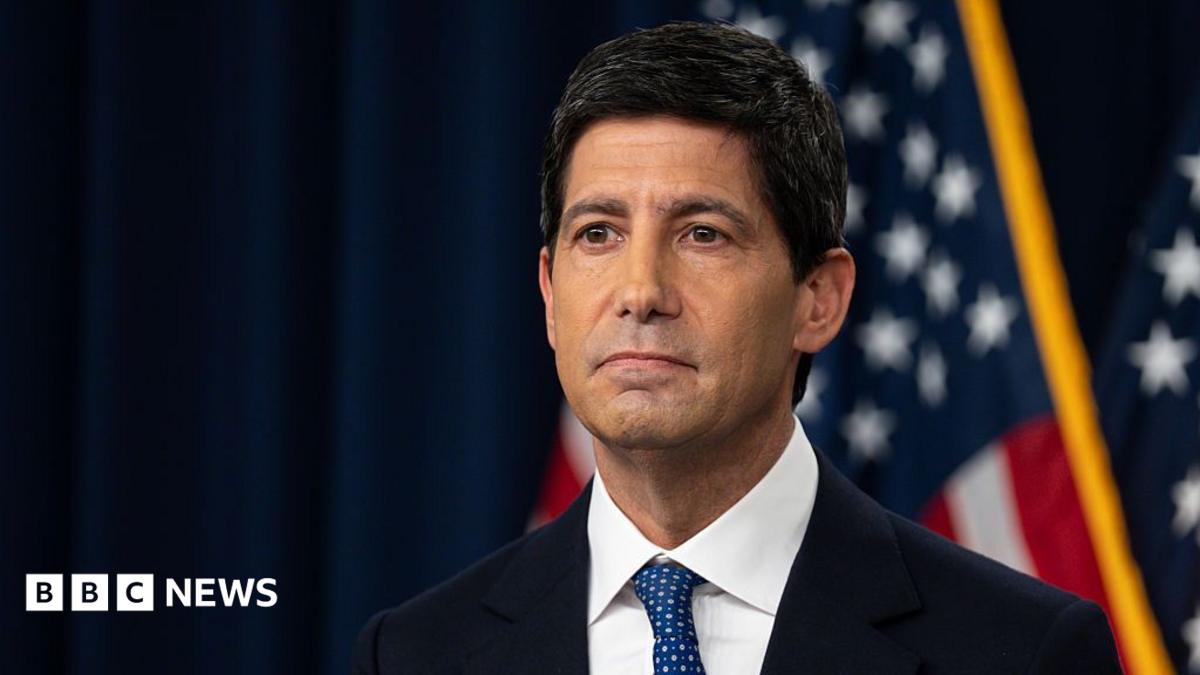
Fed Chair Kevin Warsh justified the move by stating that inflation remained elevated well beyond the central bank's 2% ceiling and had stayed above that threshold for over five years. He described the decision as both a "sober" and a "responsible" step, emphasising that while the Fed leadership carried "an attitude of optimism" about the broader economy, price pressures had not yet been brought under control.
Warsh acknowledged that the Fed cannot dictate individual commodity prices such as oil or grocery staples, but stressed that the central bank's mandate is to prevent those increases from spreading across the wider economy. He pointed to a resilient labour market and solid economic activity as reasons the Fed could afford to prioritise price stability, noting that households with the least financial cushion stood to benefit most from taming inflation.
The backdrop for the decision includes a surge in fuel prices driven by soaring wholesale oil costs following the outbreak of the US-Israel conflict with Iran. That energy shock has rippled through the cost of goods and services, making affordability a dominant concern among American voters heading into an uncertain political cycle.
Political Friction Surrounds the Decision
The rate hike landed in the middle of a heated public dispute between the Fed and the administration. President Donald Trump, who had long lobbied for lower rates and publicly criticised Warsh's predecessor Jerome Powell for failing to cut them, reacted with a mixture of support for Warsh and sharp criticism of the broader Fed board.
In a social media post issued before the announcement, Trump demanded: "LOWER THE INTEREST RATES FOR THE UNITED STATES OF AMERICA, AND FAST!" After the decision, he told reporters that he was "relying on Kevin" but warned the board was "very hostile" and "very political." He recounted a conversation with Warsh in which he allegedly told the chair, "you might as well vote with the board because it's not going to matter."
When asked directly what message the hike sent to the president, Warsh chuckled and replied that he had "nothing for you on a discussion with the president." The exchange underscored the unusual degree of public tension between the executive branch and the central bank, a situation that has drawn attention from forex market participants watching for shifts in US dollar policy credibility.
On Capitol Hill, Senate Majority Leader Chuck Schumer condemned the move, declaring it would make "everything become more expensive" and attributing the problem to what he called the president's inability to manage the economy. Democratic lawmakers broadly argued that higher borrowing costs would push more Americans deeper into debt.
Notably, Democratic critics had labelled Warsh a "sock puppet" for Trump at the time of his confirmation, and many market watchers had expected him to capitulate to the administration's rate-cutting agenda. The unanimous hike has, for now, complicated that narrative.
Immediate Impact on Borrowing, Mortgages, and Prime Rates
For forex traders and domestic borrowers alike, the practical consequences of the hike are already visible. Major US lenders including JPMorgan, KeyCorp, and Bank of New York Mellon all raised their prime lending rate to 7% from 6.75% on the same day, directly affecting the interest charged on credit cards, personal loans, and other revolving credit facilities.
Mortgage pricing has also been pushed higher. According to Freddie Mac data, the average 30-year fixed-rate mortgage now sits at 6.76%, while the 15-year fixed rate stands at 6.09%. Although these levels remain below the peaks recorded in 2023, they represent a clear upward drift over the past year. Homeowners already locked into fixed-rate deals will see no change to their monthly payments, but prospective buyers and those considering a refinance will face meaningfully higher costs.
The broader mechanism is familiar to central banks worldwide: raising rates makes borrowing costlier, discourages consumer spending, and encourages saving, with the goal of easing the pace of price increases. The trade-off is that elevated rates can also chill business investment and dampen economic growth, making the calibration exercise inherently delicate.
Forward Path and Global Rate Environment
While Warsh declined to offer a personal forecast for where the Fed's policy rate should end up, the projections put forward by the majority of his fellow policymakers paint a picture of further tightening ahead. The consensus view among the committee is that rates will be hiked again before the close of this year to a range of 4%–4.25%. A small majority went further, suggesting the terminal rate could reach 4.25%–4.5% next year before any easing cycle begins, with rate cuts not expected until 2028 or 2029.
The committee's inflation outlook indicates that price growth is projected to decline steadily, reaching the Fed's 2% target by 2029. This trajectory suggests that the current tightening episode, while uncomfortable for borrowers, is viewed by policymakers as a necessary step to anchor long-run expectations.
The US is not isolated in its fight against inflation. The European Central Bank raised its own rates last week, and the Bank of England is scheduled to announce its decision on Thursday. For forex market participants, the convergence of hawkish signals from the three major central banks points to a sustained period of elevated global funding costs, with significant implications for carry-trade strategies, dollar cross-rate dynamics, and emerging-market currency risk.
The last US rate cut had come in December 2025, and the previous hike dates back to July 2023, meaning the Fed had been on hold for roughly three years before this move. With borrowing costs now at their highest level since 2007, the coming months will test whether the Fed can bring inflation back to target without inflicting undue damage on growth or financial stability.