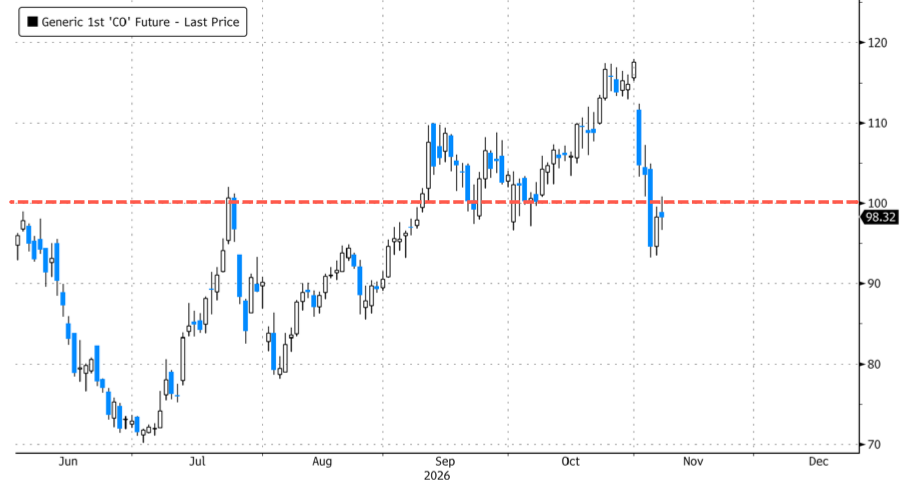
Dollar Strength Outpaces Geopolitical Easing
The euro has weakened against the US dollar in recent trading, with the dollar extending its broader rally across major currency pairs. The move has caught some market participants off guard, as it runs counter to the prevailing narrative that a reduction in Middle East tensions should ease safe-haven demand for the greenback.
Despite that, the dollar has continued to firm, pulling the euro lower and putting additional pressure on the EUR/USD pair. Traders have noted that the currency's resilience comes at a time when risk sentiment appears to be improving slightly, a dynamic that would typically soften the dollar's appeal as a defensive asset.
Rising Bets on a US-Iran Deal
Market attention has shifted toward the prospect of a renewed US-Iran agreement, with growing speculation in diplomatic and financial circles that negotiations are gaining traction. The potential for a deal has been a recurring theme in recent weeks, and the odds of a breakthrough have been ticking upward according to various sentiment indicators tracked by traders.
Normally, credible progress toward de-escalating a long-standing geopolitical standoff would reduce the premium the dollar commands as a haven of last resort. Investors would be expected to rotate out of defensive positions and into higher-yielding or riskier assets, which would apply downward pressure on the US dollar and provide a tailwind for the euro and other major currencies.
Yet the current price action tells a different story. The euro's weakness suggests that factors beyond the geopolitical headline are dominating the currency complex at this juncture. Broader macroeconomic differentials, interest-rate expectations, and positioning dynamics appear to be outweighing the incremental improvement in risk appetite that a potential US-Iran accord might deliver.
What It Means for EUR/USD Traders
For traders focused on the euro-dollar cross, the disconnect between improving diplomatic headlines and the dollar's continued bid underscores the importance of monitoring the full macroeconomic picture rather than reacting to a single geopolitical catalyst. The euro's near-term trajectory will likely depend on whether the US-Iran talks produce concrete milestones that shift policy expectations, or whether the dollar's strength is underpinned by more structural drivers that are not easily reversed by a diplomatic breakthrough.
Until a tangible agreement is announced and its economic implications become clearer, the euro may remain vulnerable to further downside pressure, even as the geopolitical overhang that had supported safe-haven flows begins to fade.