Bloomberg’s coverage of the Jackson Hole symposium highlights the forthcoming speech by Fed Chair Kevin Marsh, offering insights into how the event could shape global currency markets.
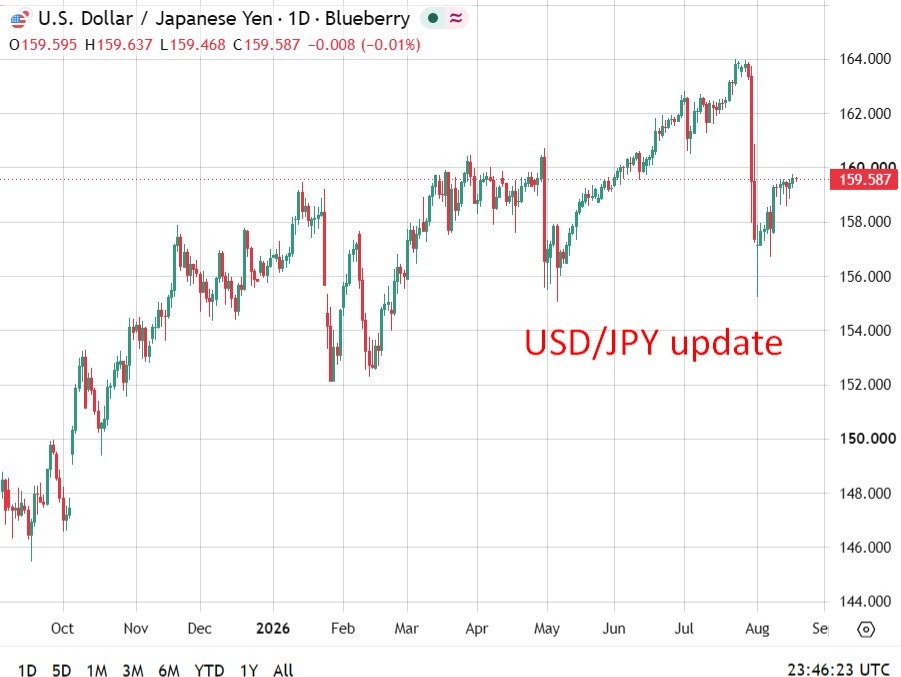
The Japanese yen has slid again, allowing the US dollar to climb above 159.00 against it after a sharp fall earlier this month. With US Treasury yields rising and oil prices high, traders are watching whether the pair can break the 160.00 psychological barrier or retreat to support near 157.50.
Japan’s June industrial orders rose sharply, Berkshire Hathaway’s AI exposure hit 34.7%, and oil prices edged toward three‑week peaks as geopolitical strains affect shipping routes.
Major Asian currencies tightened against the U.S. dollar in early trade as investors’ appetite for risk waned, raising questions about the durability of recent gains in the region’s markets.
Gold’s price has risen for two consecutive days after expectations of a Federal Reserve rate increase weakened, which has put downward pressure on the U.S. dollar and lowered the cost of bullion for buyers.
The Thai baht’s recent gains could be temporary, with experts warning that the Bank of Thailand is likely to keep an accommodative stance amid high oil costs that pressure the domestic economy.
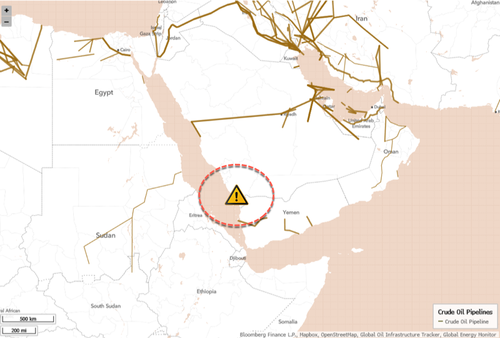
Oil markets gained as diplomatic talks between Iran and Oman stalled, while Houthi rebels announced an assault on a Saudi refinery, heightening geopolitical risks that could influence currency movements.
Oil climbed early on Monday after Tehran declined to resume negotiations with Washington, leaving the critical Strait of Hormuz shut and adding pressure to global energy markets.
Gold steadied following its strongest weekly gain since January, as a surprising dip in US employment numbers eased market worries about another Federal Reserve rate increase.
China’s factory‑gate and consumer price indices slipped for the first time since the Iran conflict sparked a surge in oil prices, indicating a gradual easing of cost pressures from the shock.
July’s consumer and producer price indices slipped to a six‑month low, underscoring weak domestic demand and the lingering impact of global oil price swings, while Beijing’s planned fiscal stimulus is expected to take a quarter to influence growth.
This article explains the four key phases of forex market cycles, how to detect them on price charts, and practical methods for sizing positions to align risk with prevailing trends.