
Retail Price Inflation Climbs to Its Highest Level in Two and a Half Years
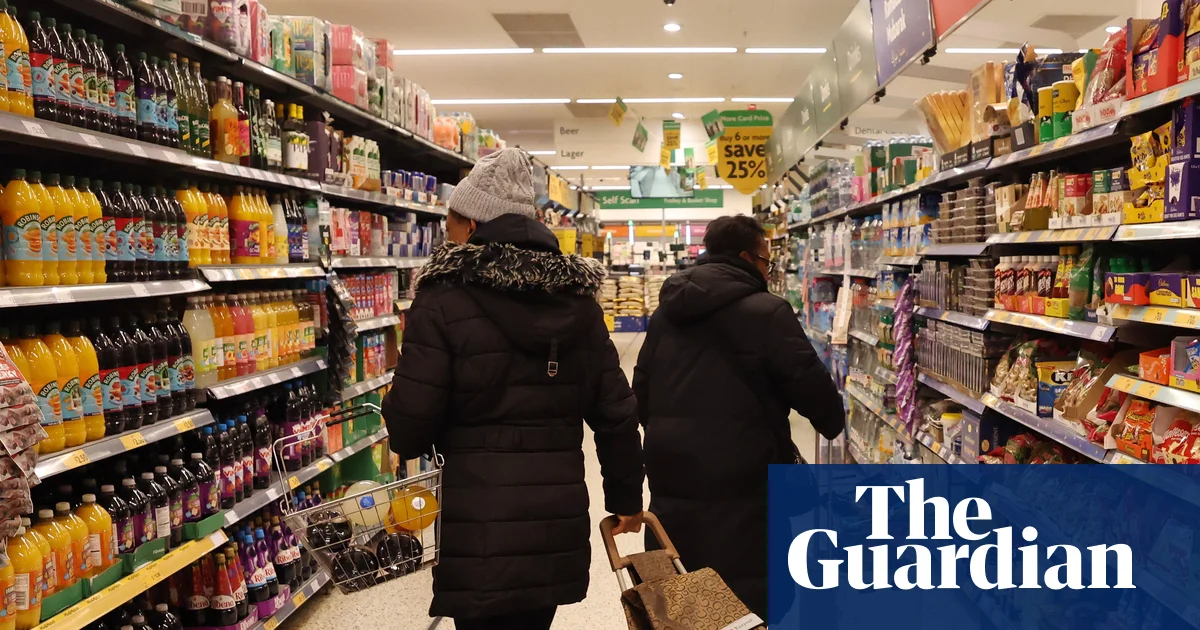
The British Retail Consortium reports that year-on-year shop price inflation accelerated to 2.1% in October, a marked step up from the 1.4% recorded in September and the strongest reading seen in the past two and a half years. The trade body cautioned that retailers are reaching the limits of their ability to absorb rising input costs and protect consumer wallets.
Helen Dickinson, the BRC's chief executive, described the situation as a dam beginning to crack under the weight of a "huge wave of costs" that the sector has shouldered over the past two years. She noted that, despite aggressive discounting campaigns around the Halloween trading period, supermarkets can no longer prevent shelf prices on canned goods and packaged staples from climbing.
Food price inflation, which had stayed subdued through most of the past year, ticked up to 2.9% year on year in October, compared with 2.5% the month before. Inflation in non-food categories, spanning clothing and footwear among other goods, more than doubled from 0.8% to 1.7% over the same period.
Energy Shock and Middle East Conflict Fuel the Spike
The BRC attributes the acceleration largely to the spike in energy and food-ingredient costs that followed the outbreak of the Middle East conflict. Brent crude oil has recently traded near $117 a barrel, a substantial premium over the roughly $70 average that prevailed in the months before the United States and Israel launched strikes on Iran in February. Natural gas prices have climbed in tandem, contributing to a UK consumer price index reading of 3.5% last month.
Until October, most retailers had been quietly absorbing higher raw-material bills, largely because weak consumer demand left little room to pass costs on. Surveys show consumer confidence has slipped considerably since the summer, when it became apparent that geopolitical tensions in the region were unlikely to resolve quickly. The BRC's latest figures suggest that cushion has now been exhausted.
Monetary Policy and the Upcoming Budget Face Fresh Scrutiny
The timing of the inflation data is sensitive. The Bank of England is widely expected to lift its benchmark rate from 3.75% to 4.0% at next week's meeting. Should retail price pressures persist into the new year, many of the nine members of the monetary policy committee could be persuaded to tighten further in December or early next year, according to market commentary.
Politically, the figures land just ahead of Chancellor John Healey's first Budget, scheduled for Wednesday. Backbenchers in his own party are expected to press him on the cost-of-living squeeze affecting their constituents, adding pressure to deliver measures that ease household budgets.
Low-Income Households Bear the Heaviest Burden
A report by Ruth Patrick, a professor of social and public policy at the University of Glasgow, provides a granular picture of how fuel and food price increases are hitting the most vulnerable families. Her research, conducted through Changing Realities, an online project that tracks the experiences of 100 low-income households, highlights the particular strain on families transporting disabled children to school and medical appointments, as well as workers who depend on a car to reach their jobs.
Patrick notes that petrol prices above £1.75 a litre in many locations, and diesel frequently topping £2 a litre, can render employment effectively unprofitable once travel costs are factored in. In the month preceding the survey, 73% of project participants reported shopping in the reduced-items aisle, 62% had altered what food they purchased, and 63% had chosen to leave the heating off despite the cold.
Among the in-depth interviews with 70 participants, 67 described specific strategies they had adopted to cut spending over the previous month. One respondent, Rosie L, who lives in rural Scotland, said she was uncertain how the family would continue to afford running their car. She explained that public transport in her area is neither accessible nor reliable, and losing access to a vehicle would affect "every single aspect" of their daily lives, particularly given that her children are disabled.
Patrick argues that the support currently offered by central and local governments does not match the scale of the hardship. She points to the upcoming Budget as a chance to honour former Deputy Prime Minister Andy Burnham's pledge to run a "cost of living government." She specifically calls for sustainable, long-term measures to ensure the adequacy of social security, singling out the restoration of child benefit's real value as a critical step, given that it has traditionally been a key source of support for the additional expenses that come with raising children.