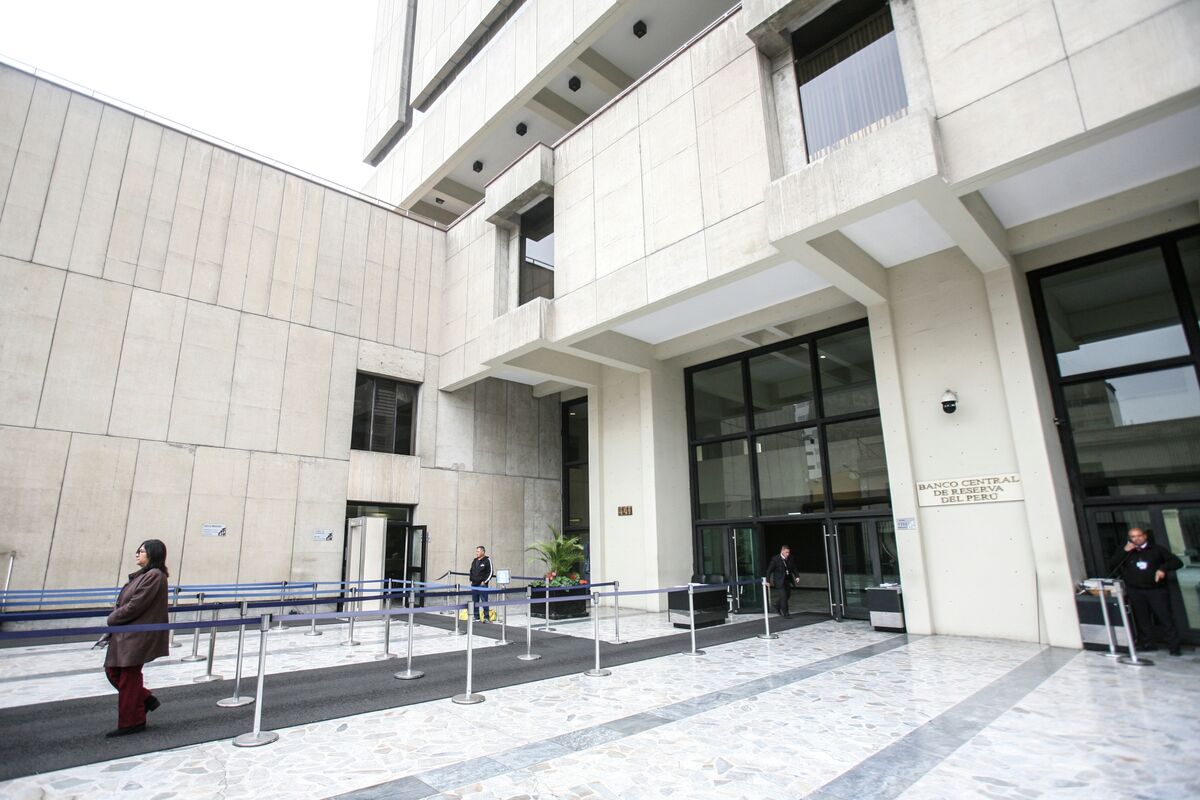
Rate Decision Lands in Line with Market Expectations
Peru's monetary authority carried out a quarter-point increase in its policy rate on Thursday, pushing the benchmark to 4.50 percent. The move represents the first tightening action by the central bank in nearly four years, signaling a clear shift in the country's monetary stance as price pressures intensify across the economy.
The decision was broadly anticipated. In a pre-meeting survey conducted by Bloomberg, the majority of the thirteen economists polled had projected exactly this 25-basis-point hike. Only two respondents had argued for holding the rate steady, making the outcome a relatively consensus call among market watchers.
Inflation Drivers Behind the Tightening
The central bank cited a notable acceleration in headline inflation as the primary justification for its move. Rising costs in the food and energy sectors have been the principal contributors to the price spike, weighing on household budgets and eroding purchasing power. These two categories have historically carried significant weight in Peru's consumer price index, meaning that sustained increases in their prices translate directly into broader inflationary pressure.
By raising the policy rate, the monetary authority is seeking to dampen demand-side pressures and anchor inflation expectations, thereby preventing a more entrenched rise in prices that could prove difficult to reverse. The timing of the hike—after a prolonged period of unchanged or easing policy—underscores the urgency the bank places on reasserting its inflation-fighting mandate.
Market and Policy Context
The shift from a hold-or-ease bias to outright tightening marks a meaningful recalibration in Peru's monetary policy trajectory. For currency traders and investors tracking the Peruvian sol, the decision reinforces the view that the central bank will not hesitate to act when core and headline inflation diverge from its target range. The fact that the move was widely forecast also suggests that market participants had already begun pricing in a tighter policy environment, limiting the immediate shock to financial markets.
Going forward, attention will turn to whether the 4.50 percent level proves sufficient to bring the food and energy-driven price surge under control, or whether additional tightening steps will be required in the coming quarters.