
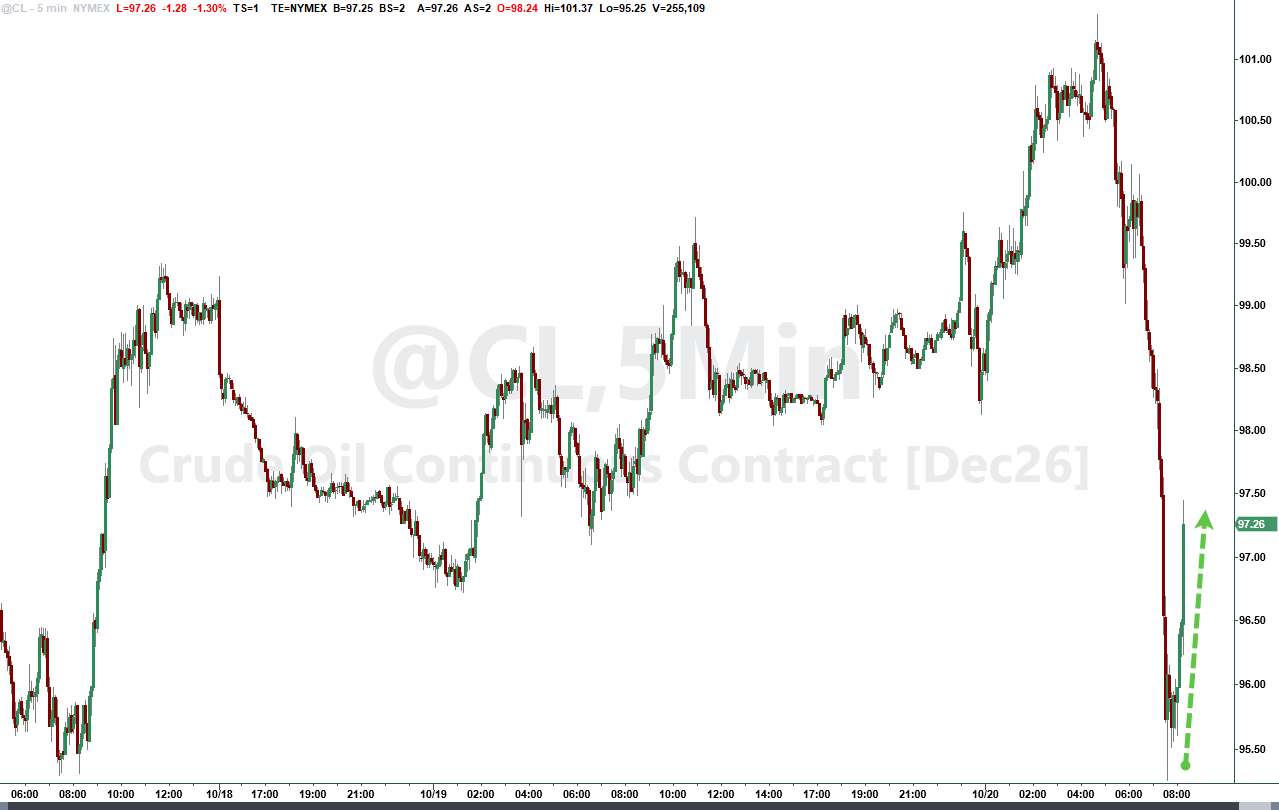
Crude Edges Higher as Mideast Tensions Resurface
Oil prices registered a modest gain in the opening hours of Asian trade on Wednesday, driven by a renewed sense of unease surrounding the ongoing conflict in the Middle East. Market participants are watching closely the prospect that hostilities could re-escalate, potentially threatening energy supply routes and production capacity in one of the world's most critical hydrocarbon-producing regions. The move, while modest at first glance, underscores how quickly geopolitical headlines can inject volatility into commodity markets and, by extension, the broader risk complex that forex traders operate within.
What It Means for Currency Markets and Risk Sentiment
For participants in the foreign-exchange market, the oil rally is best understood through its secondary channels rather than a direct price feed. A sustained uptick in crude typically strengthens commodity-linked currencies such as the Australian dollar and the Canadian dollar, while simultaneously pressuring importers whose trade balances are sensitive to energy costs. At the same time, any credible fear of supply disruption in the Gulf tends to lift safe-haven demand for the U.S. dollar, the Japanese yen, and the Swiss franc, tightening spreads on cross pairs and widening volatility bands on major crosses.
Forex desks that had been positioning for a gradual de-escalation narrative may find themselves recalibrating stop-loss levels and hedging strategies in the near term. The key variable to monitor is whether the geopolitical situation moves from rhetorical concern to tangible disruption of shipping lanes or production infrastructure. Until that threshold is crossed, the dollar's reaction is likely to remain muted, with the market treating the oil move as a low-conviction, headline-driven blip rather than a structural repricing of risk.
Traders operating in the Asian session should be particularly attentive to how the initial oil move is received in European and North American hours, as a failure to sustain higher prices often signals that the geopolitical premium is being quickly arbitraged out. Conversely, a follow-through rally into the London fix would suggest that risk-off positioning is gaining traction, potentially tightening dollar liquidity and amplifying moves across G10 and emerging-market pairs throughout the trading day.